Australian hardwoods for decks: spotted gum, blackbutt, ironbark and merbau
A working guide to the hardwoods Australian decks are actually built from — durability class, movement, colour, supply and the finish each species will tolerate.
By Custom Decking editorialUpdated 2 November 2025
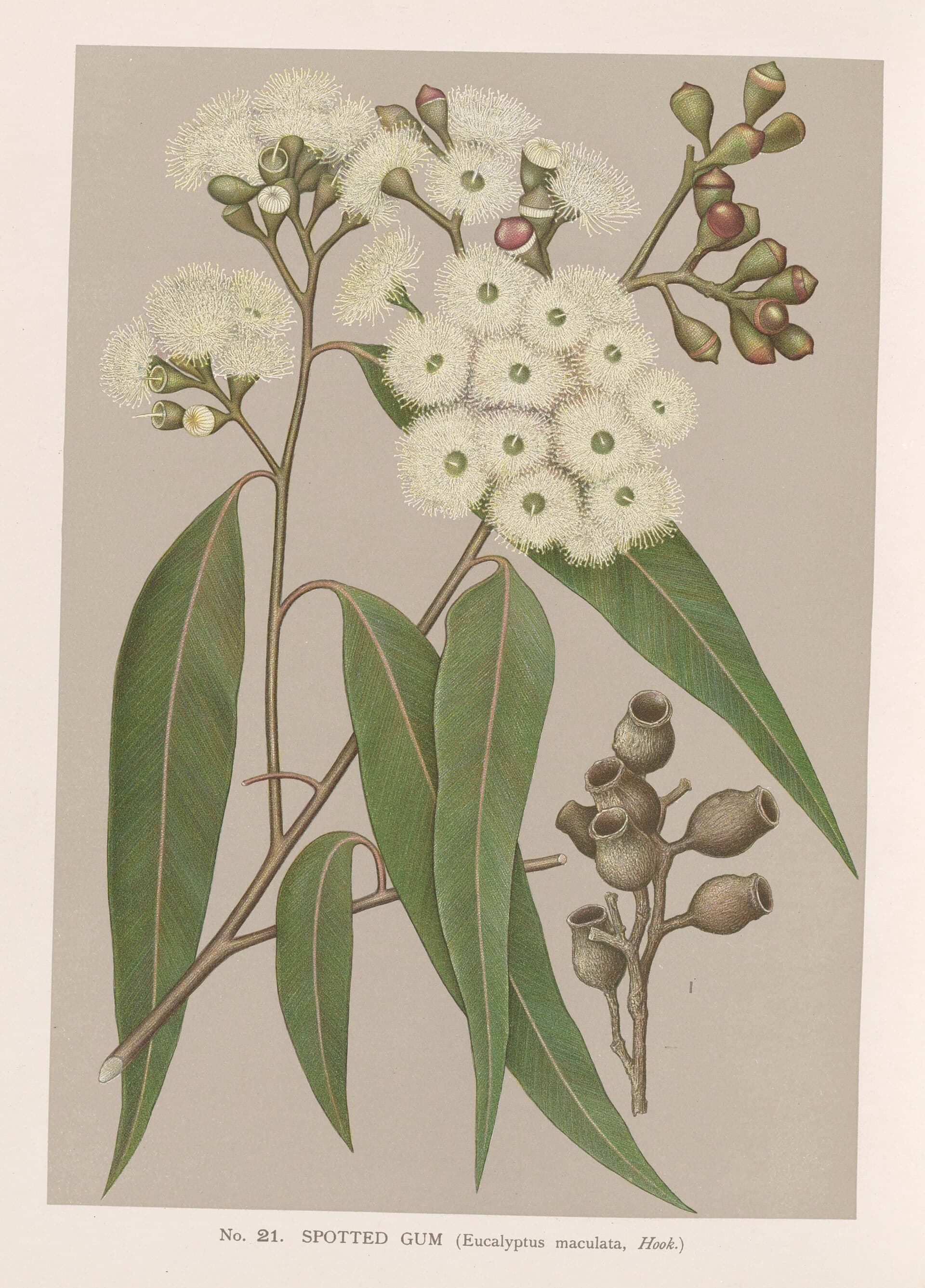
A decking species is not a colour swatch. It is a density, a durability class, a way of moving when the western sun hits a dry board at three in the afternoon, and a supply chain that either reaches your joists on time or does not. Australian hardwoods remain the honest wearing surface for a custom deck in most climates on this continent, provided the species is matched to the exposure and the builder treats the timber as timber rather than as a product that arrives finished.
This essay sits in the timber and materials hub. It covers the species that actually turn up on Australian quotes — spotted gum, blackbutt, tallowwood, ironbark, jarrah, and merbau, which is imported — and the practical differences that matter after the first summer. For the legality and carbon argument around merbau and other imports, read imported hardwoods versus Australian-grown timber. For the oiling cycle once the boards are down, see oiling and maintaining a timber deck.
How durability is classified
Natural durability in Australia is described in AS 5604. The standard gives two ratings for heartwood: in-ground and above-ground. A decking board lives above ground. A stump or an in-ground post does not. Class 1 above-ground heartwood is expected to last forty years or more in an exposed situation if it stays the right way up and water can leave. Class 2 is still a serious outdoor timber. Class 3 and 4 belong in framing that is kept dry, or they belong in the scrap pile when someone has tried to use them as a wearing surface.
Sapwood of almost every hardwood is not durable. A board with a wide pale ribbon of sapwood will fail from that ribbon even if the heartwood is class 1. Specify heartwood, or accept that a cheap parcel with mixed sapwood is a shorter deck. Treatment can lift sapwood, but it does not turn a pale streak into ironbark.
Density is the other number yards quote. Most of the eucalypts below sit around or above a thousand kilograms a cubic metre when dry. That hardness is why they take a screw without mushrooming, why they last under chair legs, and why a carpenter pre-drills. It is also why a dropped plate chips a board rather than denting it, and why you do not nail them by hand on a Saturday.
None of this replaces a span table. Board thickness, joist centres and fastener type are a separate decision, covered in choosing decking boards and fasteners. Species choice decides whether the wearing surface is still there in fifteen summers. Span and fixing decide whether it stays flat in the first one.
Spotted gum
Spotted gum — Corymbia maculata on the south-east coast, and the closely related lemon-scented gums further north — is the default hardwood decking species from Melbourne to Brisbane. It is class 2 in-ground and class 1 above-ground. It is listed among the bushfire-resisting timbers in AS 3959 Appendix F, which is why it keeps appearing on jobs in BAL-29 country. The colour runs from honey through to a darker chocolate; freshly dressed boards often show a green-grey cast that warms as the surface oxidises.
The grain is interlocked and the surface is moderately oily. That oil is useful outdoors and annoying under a film-forming coating. Penetrating decking oil takes; a cheap polyurethane does not. Boards check on the sun face if they were laid wet or if the first summer is severe. Checking is not failure. It is the timber relieving stress across the width. Keep the oil film honest and the checks stay surface-deep.
Supply is the quiet reason spotted gum won. East-coast mills know it, merchants stock 86 and 140 widths in 19 millimetre and thicker profiles, and a builder can replace a damaged board two years later without a special order. That replaceability is a design feature. A species you cannot match later is a species you should think twice about on a large platform.
Spotted gum is a poor choice only when the architecture wants a pale floor, or when the client has already decided they will never oil and they dislike the silver that follows. It is not a poor choice because it is common.
Blackbutt
Blackbutt, Eucalyptus pilularis, is the other east-coast workhorse. Durability is in the same band as spotted gum: class 2 in-ground, class 1 above-ground, and a bushfire-resisting timber. The colour is the difference. New blackbutt is creamy to pale straw. It reads as a coastal or contemporary floor in a way spotted gum does not. It also shows dirt, tannin splash from overhead trees, and the first rust streak from a cheap fastener.
The surface is less oily than spotted gum and a little more prone to fine surface checking in western exposure. That is manageable if the boards were supplied at a sensible moisture content and the fastener and gap schedule was not guessed. It is less manageable if someone laid wide boards on optimistic joist centres and then left them raw through a dry January.
Blackbutt is the species to specify when the house is pale, the furniture is pale, and a honey-brown floor would fight the rooms that open onto it. It is also a reasonable BAL choice. It is not a bargain timber. Pricing sits with spotted gum on most east-coast yards; the decision is aesthetic and local, not a hunt for a cheaper eucalypt.
Tallowwood
Tallowwood, Eucalyptus microcorys, is class 1 in-ground. That is a higher in-ground rating than spotted gum or blackbutt, and it is why older builders still reach for it when a board will see more weather than a backyard platform — ferry pontoons, wet-edge steps, a deck that is really a boardwalk through a damp garden. Above-ground it is, as you would expect, thoroughly durable.
The colour is a yellow-brown to olive, with an oily, almost greasy feel on a freshly dressed face. That oil is the reason the timber lasts and the reason some finishes sulk. Test the oil on offcuts. Some penetrating products bead; some take. Film-formers are a waste of a Saturday.
Tallowwood is not always on the rack. North-coast New South Wales and south-east Queensland are its country. Further south you may wait, or you may be offered a substitute that is not tallowwood. If the quote says tallowwood, ask which mill and which grade. A mixed parcel with a tallowwood label and a spotted-gum look is not a species specification. It is a hope.
Ironbark
Grey ironbark and the red ironbarks are the hard stop at the top of the eucalypt range. In-ground durability is class 1. Density is high enough that drill bits heat and screws snap if the carpenter is impatient. The colour is deep brown, sometimes with a red cast, and it darkens rather than bleaching evenly. A new ironbark deck can look almost black once oiled.
Use ironbark when the wearing surface has to take concentrated load — public stairs, a commercial terrace, a family that will drag furniture — or when the client wants the darkest honest timber and is prepared to pay for the machining. Do not use it because a mood board said “character”. Ironbark has character the way a railway sleeper has character. It is not a soft ribbon of grain.
Fixings must be stainless or a coated screw the manufacturer will warrant in hardwood, and they must be pre-drilled. Hidden clip systems that were designed around a more forgiving board will complain. If the builder has not worked ironbark, the first day will teach them, at your expense.
Jarrah
Jarrah, Eucalyptus marginata, is Western Australia’s decking hardwood. Class 2 durability, a rich red-brown that no stain on pine has ever copied honestly, and a cultural place in Perth houses that east-coast species do not have. Old-growth jarrah is tightly controlled. What reaches a yard now is more often regrowth or a certified parcel, and the board can be paler and a little less dense than the jarrah people remember from a 1970s verandah.
That is still a proper outdoor timber. What has changed is supply and expectation. A Melbourne client who wants jarrah because they grew up with it should be told the lead time and the grade before the joists are set out. A Perth client can usually get it, dry, in the usual widths. Do not substitute a red imported hardwood and call it jarrah. The colour may pass a photograph. The movement and the durability class may not.
Jarrah takes oil well and silvers to a soft grey if left alone. In a dry inland summer it will check like any dense eucalypt. In a Fremantle salt wind it wants the same fastener discipline as any coastal deck: 316 stainless, no cheap coated screws from a mixed tub.
Merbau, and when not to use it
Merbau, Intsia bijuga and related species, is not an Australian-grown decking timber in any volume that matters. It arrives from South-East Asia and the Pacific. It is class 1 or class 2 depending on the source and the table you read, it is relatively stable for a tropical hardwood, and it is listed as bushfire-resisting. It is also the species most likely to turn up on a quote with no paperwork and a price that should make you suspicious.
The practical problem on site is extractive bleed. The first rains pull a dark red-brown stain out of the boards and onto everything below and beside them: concrete, limestone, pale render, powder-coated aluminium, a neighbour’s cream fence. End-seal every cut. Keep the first wet seasons’ runoff off light paving, or accept that you are buying a stain and a conversation. Some builders wet the deck and rinse it hard before handover. That helps. It does not make merbau a pale-courtyard timber.
The other problem is legality. Australia’s Illegal Logging Prohibition Act is not a mood. If the merchant cannot tell you the source country, the concession or mill, and the certification — FSC, PEFC, or a documented legal-origin pathway — do not put that timber on a house that will still be standing when the questions get asked. There is an honest merbau deck. It is certified, it is priced like a certified timber, and the yard can show the documents. There is also a cheap merbau deck. We do not recommend it, and we will not pretend the colour is a substitute for a chain of custody. The longer argument belongs with the import and certification file, not with a colour swatch.
When not to use merbau, even the honest parcel: when the courtyard is pale and you cannot isolate runoff; when the household wants to support Australian mills and is willing to pay spotted-gum money; when the builder has no experience with the bleed and the client has a limestone fireplace two metres away; when the only reason it is on the quote is that it was two dollars a metre cheaper than blackbutt.
Movement, moisture and the first summer
Australian hardwoods move. Tangential shrinkage on these eucalypts is not a rounding error. Boards supplied too wet will shrink across the width after a dry spell and open gaps you did not design. Boards supplied too dry and then laid through a wet week will swell and peak if the gaps were cut to a brochure minimum. Acclimatise the timber on the joists, stickered, in the actual weather, and then fix.
End-grain drinks and loses water faster than the face. Seal every cut end the day it is cut, not the day before the photographer arrives. A wax-emulsion end sealer or the same penetrating oil you will use on the face is ordinary practice. Skipping it is how you get a crop of end-checks that collect dirt for a decade.
Board orientation is a small religion. Some carpenters want bark-side up; some want the heart; some want the best-looking face and will not be moved. What matters more than the folklore is that the board sits flat, the fastener is in sound wood, and water is not trapped against a reeded face that was laid upside down because someone liked the look. If the profile has a wearing face, use it.
Colour, silvering and finish
Every species on this list will silver if you leave it alone. That silver is not decay. It is the surface lignin changing under ultraviolet light, plus a film of microscopic weathering. In a shaded south-facing court the silver comes slowly and can look blotchy where leaves sit. In full north sun it comes evenly and faster. Households who want the honey or the red have to oil. Households who want the silver have to accept a period of patchy colour on the way, and they have to keep the drainage honest so the silver does not become black mould in the gaps.
Penetrating oils — the ones that go in, not the ones that sit on top and peel — are the finish these timbers will tolerate. The first year often wants two coats, then a maintenance coat when water stops beading. Exact intervals depend on exposure, species oiliness and how much furniture hides the surface. We do not print a calendar we cannot stand behind. We do say that a film-forming deck paint on spotted gum in western sun is a recoating project, not a finish.
Test oil on an offcut of the actual parcel. Tallowwood and some spotted gums can resist the first coat. Merbau will colour the rag. Ironbark will show every missed lap. Technique lives in the oiling cycle. This species essay is the place to say: buy the timber for the colour it will be in year three, not the colour it is on the rack under fluorescent light.
Bushfire, councils and the rest of the building
A species listed in AS 3959 Appendix F is not a free pass. BAL-rated decks still need the gaps, the subfloor detailing, the non-combustible or bushfire-resisting supporting members, and the right junction at the wall. Blackbutt boards on untreated pine joists in a BAL-29 overlay is not a system. It is a conversation with a certifier that you will lose. Read bushfire BAL ratings and deck design before you fall in love with a sample.
Councils do not usually nominate a species. They nominate height, setback, privacy and, in mapped country, bushfire and overlay controls. The species choice is yours and the builder’s, inside those rules. If the deck needs a CDC or a DA, the drawings should name the wearing surface, not just “hardwood decking”. “Hardwood” is how merbau of unknown origin lands on a job that was quoted as spotted gum.
Termite management is a structure problem more than a species problem. Durable heartwood is not a termite treatment for the rest of the frame. Most of the mainland still wants a managed system under AS 3660 and the NCC. The boards can be class 1 and the house can still be eaten at the ledger if the detailing is lazy.
Specifying without romance
Write the species, the grade, the heartwood requirement, the profile and the target moisture content on the quote. Write the fastener. Write the finish, or write that there will be none. Then walk the parcel before it is laid. A mixed pack with sapwood edges, a twist you could hang a coat on, and a merbau smell when you asked for blackbutt is cheaper than a dispute after the barbecue is booked.
Australian hardwoods are not a single product. Spotted gum is the east-coast default because it deserves to be. Blackbutt is the pale alternative that still meets a BAL conversation. Tallowwood and ironbark are specialist tools. Jarrah is a western timber with a western supply story. Merbau is an import that can be honest and often is not. Choose as if the deck will still be there when the house is painted next, because if you chose well, it will.
If a fact in this piece is wrong — a durability class, a BAL listing, a species name — send the document through contact. We correct against the standard, not against a brochure. The rules we edit to are on editorial standards. The botanical plate on this page is credited on image credits.
Questions readers ask
- Is spotted gum always the right hardwood for an Australian deck?
- It is the default on the east coast because it is durable, widely stocked and listed as a bushfire-resisting timber, but it is not automatic. Pale coastal houses often look better in blackbutt, and a western Australian job may be better served by jarrah if the mill can supply it dry and on grade.
- Why does merbau stain my concrete and render?
- Merbau carries water-soluble extractives that leach in the first wet seasons and leave a rust-brown mark on light paving, flashings and painted walls. Seal cut ends, keep the first runoff off the slab, and do not specify merbau against a pale courtyard unless you have planned for that stain.
- Can I leave hardwood decking unfinished?
- Yes. Unoiled Australian hardwood will weather to a silver-grey and still last if the structure drains, the gaps stay open and the boards are the right durability class. What you lose is colour evenness and some surface hardness against checking; what you gain is a finish you do not have to keep renewing.
Keep reading
Related essays
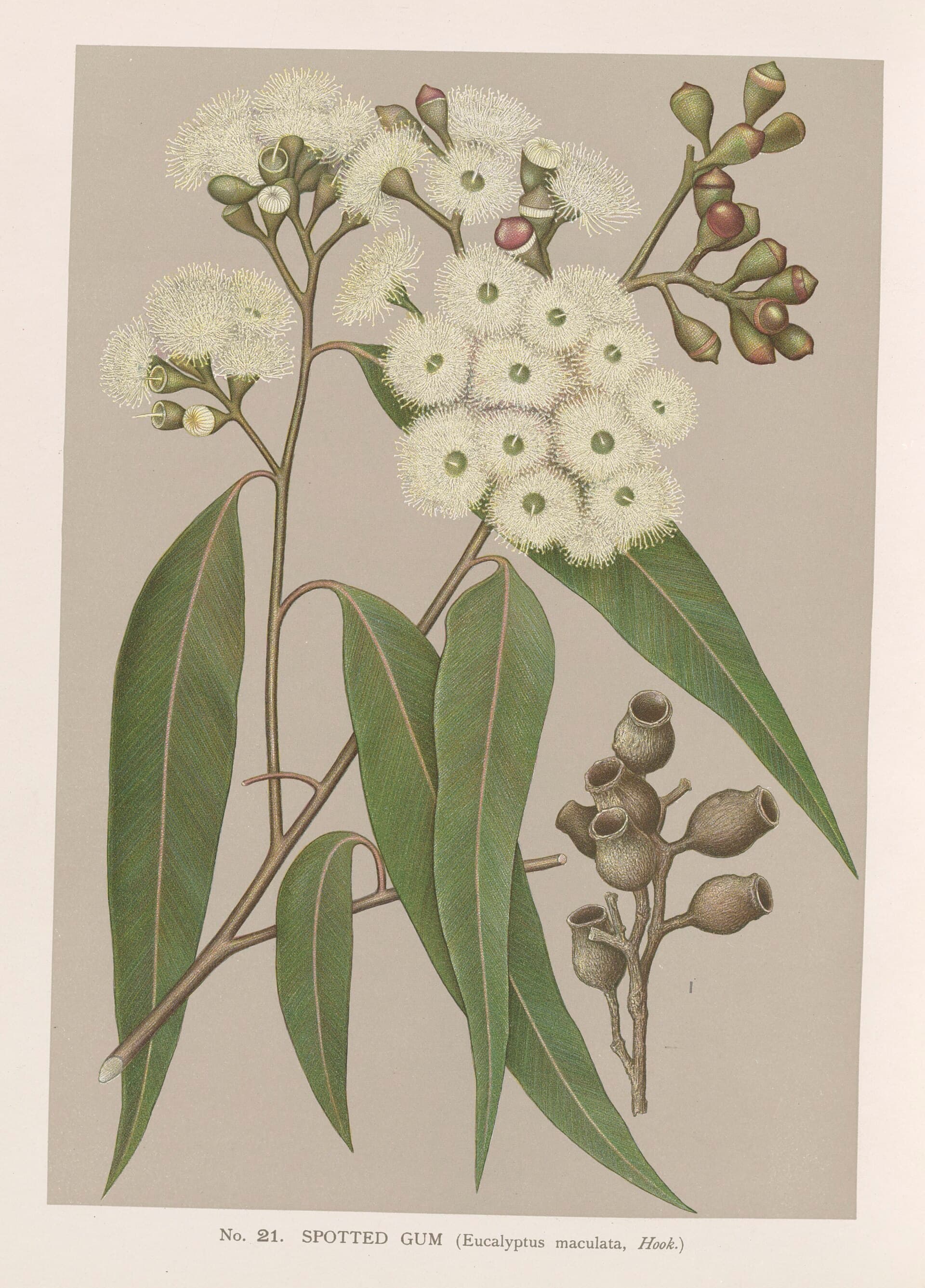
Imported hardwoods versus Australian-grown timber
Merbau, keruing and the other imported boards can be honest. They can also be illegal, unstable in Australian sun, or a missed job for a local mill. How to tell the difference.
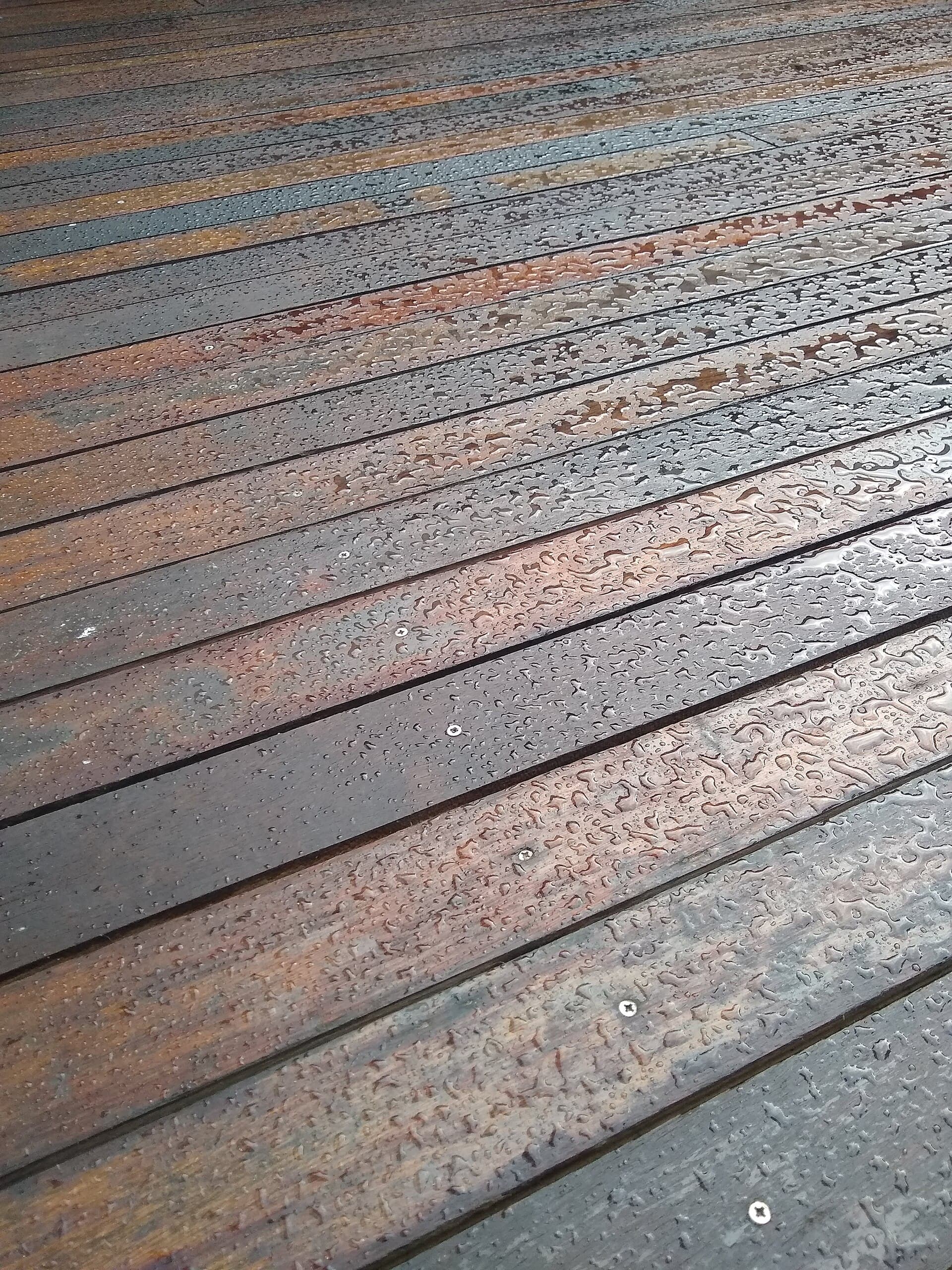
Bamboo, aluminium and the other decks people ask about
Strand-woven bamboo, aluminium boards, porcelain on pedestals and recycled plastic all turn up in Australian quotes. What they actually are, where they fail, and the warranty clauses that matter.
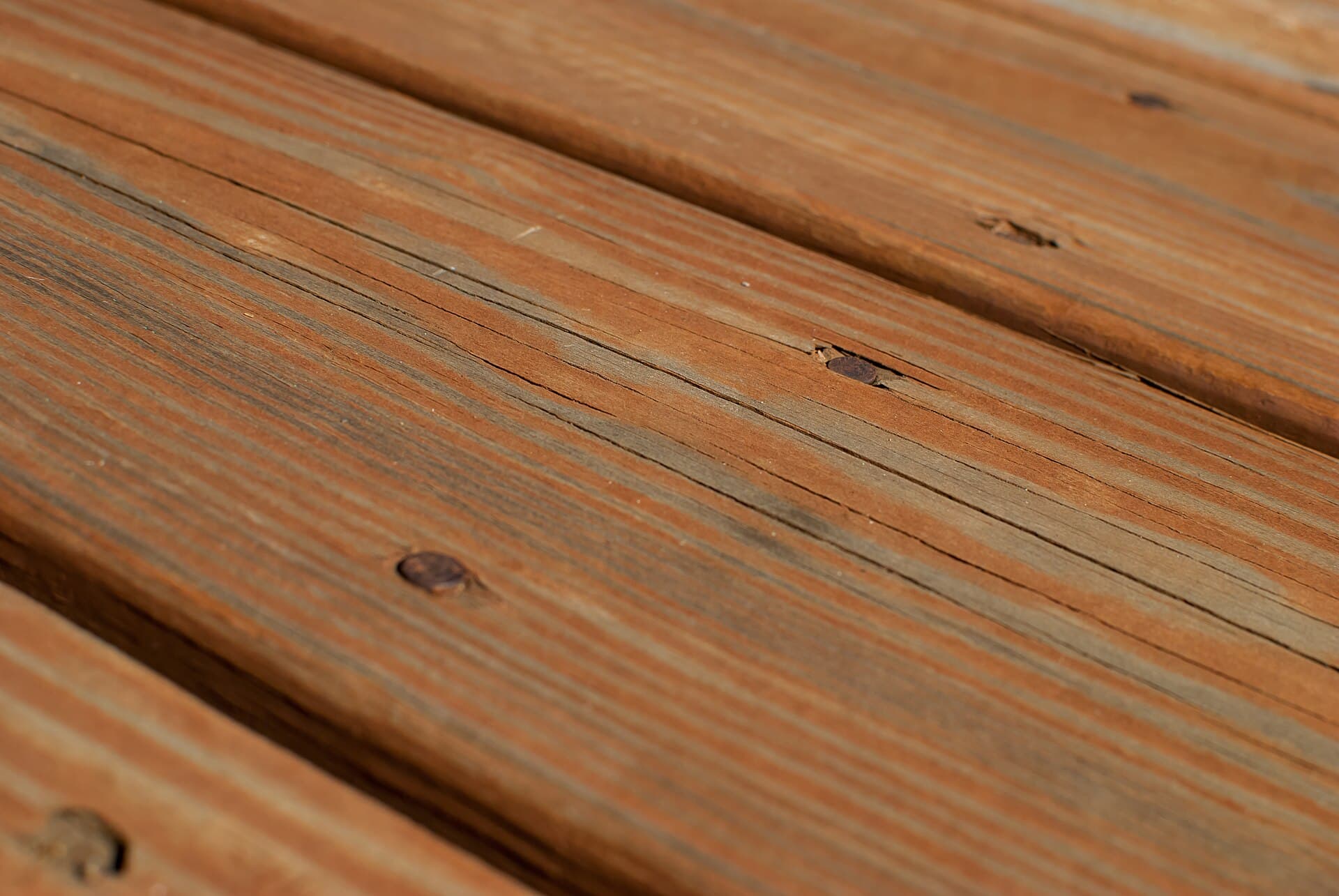
Choosing decking boards and hidden fasteners
Width, profile, gap, screw alloy and clip system decide whether a deck stays flat. A practical Australian guide to 86 and 140 boards, reeded faces, stainless against coated screws, and end-sealing.