How to oil and maintain a timber deck in Australia
Penetrating oil keeps an Australian timber deck honest. How to clean, coat and time the work across sun, salt and the wet season — and when oiling is no longer the job.
By Custom Decking editorialUpdated 1 December 2025
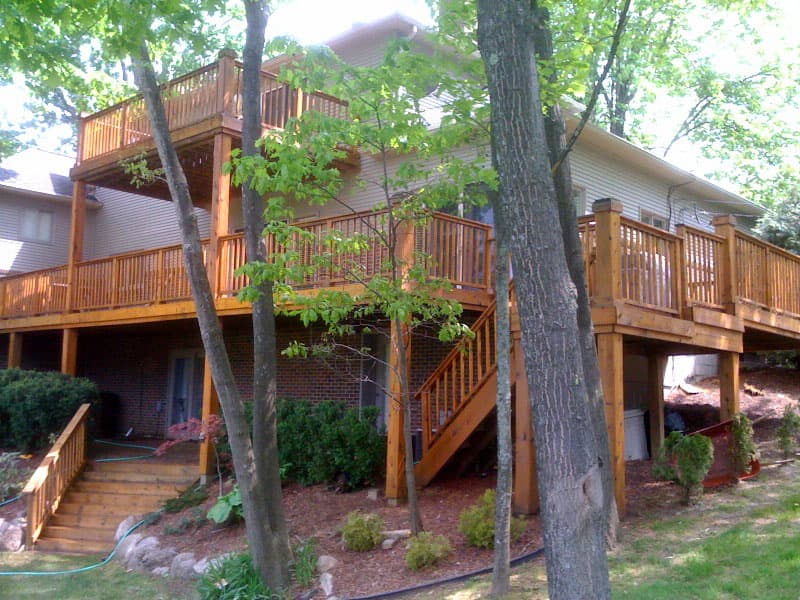
An Australian timber deck is a wearing surface in weather that does not negotiate. Ultraviolet light breaks the surface lignin. Rain wets the end-grain. A dry January opens checks. A Melbourne winter south court grows a film you will feel under a bare foot before you see it. Oil does not repeal any of that. It slows the surface, evens the colour, and gives you a ritual you can keep. Skip the ritual and the timber still stands if the species and the drainage were right. It just looks like a deck that was left alone.
This essay sits in the climate and care hub, which is where a deck lives after the barbecue is packed away. Species choice belongs with the timber and materials desk — start with Australian hardwoods for decks; the pine story is in treated pine decks. The fastener and the gap decide how much water the oil is asked to manage — that is choosing decking boards and fasteners. What follows is the coat itself.
Why oil, and why not
Penetrating decking oil is a thin, drying oil or oil–resin mix that soaks into the face and the cut end. It is not a skin. It darkens the board, helps water bead for a time, and takes some of the ultraviolet load. When it is exhausted, the timber looks thirsty and the next coat goes into the same wood. There is no peeling film to grind off if you stayed with oil from the start.
Leaving hardwood unfinished is a legitimate specification. Unoiled spotted gum, blackbutt and ironbark will silver. That silver is weathering, not decay, provided the structure drains and the boards are the right durability class. Households who want the grey should say so on the quote and then keep the deck clean, because a neglected silver deck in shade becomes a blotchy, mouldy deck, not a Scandinavian photograph. Households who want the honey or the red have to oil. There is no third path that keeps the rack colour without work.
Composite boards do not take this oil and do not need it. If the wearing surface is a wood–plastic cap, stop reading this as a product guide and go to composite versus timber decking. The labour there is washing, not coating.
What a penetrating oil actually does
The useful oils on Australian decks are exterior decking oils, often with a modest pigment. Clear oil is a shorter life in full sun. A lightly tinted oil — the colour of the timber, not a theatrical stain — lasts longer because the pigment takes some ultraviolet light. Heavy stain is a different product and a different later conversation; that belongs with restaining, recoating or replacing.
Film-formers — polyurethanes, many “deck paints”, cheap hardware skins — sit on top. In a covered Victorian verandah they can be the historical finish. On a horizontal hardwood face in Perth or Townsville sun they chalk, peel and hold water at the broken edge. Recoating a failed film is sanding. Recoating a tired oil is cleaning and another thin coat. Do not confuse the two because both come in a tin labelled “deck”.
We will not name a brand as a winner. We will say: buy a product the manufacturer will warrant on horizontal exterior timber in Australian exposure, read the recoat window, and test it on an offcut of the actual parcel. Tallowwood and some spotted gums can resist the first coat. Merbau will colour the rag. Pine will drink and look hungry sooner.
Preparing the boards
Oil on dirt is a brown paste. Oil on algal film is a slip hazard with a sheen. Clean first. A stiff broom, a deck cleaner the oil manufacturer will tolerate, and a rinse that actually leaves the gaps are ordinary practice. Mould, algae and slip hazards is the companion if the face is green or black. Do not oil over that growth and hope the solvent kills it. It will not, reliably, and you will have sealed a problem into the grain.
Pressure washers are a tool, not a personality. A wide fan, a respectful distance, and no stripping of soft earlywood into fur. Pine decks suffer this abuse more than hardwood. If you have raised the grain into a thatch, you now have a sanding job before you have an oiling job.
The timber must be dry. That means dry through the thickness, not dry on the sun face at eleven in the morning after a nine o’clock shower. Oil on damp boards fails early. In a Launceston winter that may mean waiting for a run of days. In a Brisbane late summer it may mean watching the radar and being willing to stop. The forecast is part of the specification.
New hardwood sometimes carries mill glaze — a slightly sealed, planed face that sheds the first oil. A light sand or a manufacturer’s preparation step, plus the first wet-and-dry season, usually solves it. Do not invent a six-month weathering religion if the oil maker says you can coat when the timber is dry and clean. Do not coat a wet, just-laid parcel because the photographer is booked on Friday.
First coats on a new deck
A new deck often wants two thin coats, not one heavy one. Apply with the grain, work a manageable bay, and wipe or brush out the surplus before it skins. Puddles in the reeded face become shiny, slow-drying patches that stay tacky and collect grit. End-grain drinks. Seal every cut end the day it is cut, then again when you oil the face. A wax-emulsion end sealer or the same penetrating oil, worked in, is ordinary. Skipping the ends is how you get a crop of checks that collect dirt for a decade.
Do not oil yourself into a corner. Start at the far edge and walk back toward the house door, or leave a dry path you can live with for a day. Furniture off. Rugs off. Pots off. The missed patch under a planter is the patch that goes silver and then, when you finally move the pot, looks like a repair.
Temperature matters in the way the tin says it matters. Hot boards in western sun drink too fast and lap-mark. Cold boards in a Melbourne June refuse to dry. Shade the work if you can; a pergola is a maintenance asset, not only an afternoon one. Rain in the first night is a wash-off and a lesson.
The maintenance coat
After the first year the job is simpler and easier to postpone. Walk the deck after a dry spell. Sprinkle water. If it beads, the oil is still doing something. If it darkens the board and soaks in, the face is thirsty. That test is more honest than a printed month. A west-facing spotted-gum platform in Adelaide may want attention more than once in a hard year. A shaded blackbutt court in Hobart may wait. We do not print a calendar we cannot stand behind.
Clean, let it dry, and put on one thin coat. You are not building a film. You are refreshing a depleted surface. If the colour has gone patchy — table marks, the barbecue foot, the strip the awning never covers — wash and oil the whole plane, not just the ugly bit, or you will read the patch forever.
Sand only if you must: raised grain, a failed previous product, or a grey that has gone so far you want to reset the colour. Sanding is a dust job and a thickness job. Every reset removes wearing surface. That is why a household that oils when the water stops beading keeps more board than a household that waits for a restoration.
Species manners
Spotted gum is moderately oily and takes a penetrating decking oil if the face is clean. Blackbutt is paler and shows every missed lap and every rust streak; it also shows dirt, so the wash matters as much as the oil. Ironbark will declare every holiday in the coat. Tallowwood can bead the first application — test the offcut. Jarrah takes oil well and silvers to a soft grey if you stop. Merbau will bleed extractives in the first wet seasons whether you oil or not; oil is not a stain-blocker for the neighbour’s limestone.
Pine boards drink, then weather, then look thirsty sooner than a dense eucalypt. If the brief is “oil and forget”, pine as a wearing surface will disappoint. If the brief is a painted verandah, you are not in this essay’s product any more — you are in a film and a recoating cycle.
Imported boards follow their own extractives and their own movement. Treat the parcel in front of you, not the species name on the invoice.
Climate, shade and the western face
Australian maintenance is a climate problem. The same oil, the same species, and a different elevation produce different decks.
A north or west face in full sun is an ultraviolet and heat problem. Pigmented oil earns its keep. Clear oil is a short life. Checks will appear; they are the timber relieving stress, not a failure of the tin, if they stay surface-deep and the oil film is honest.
A south court, a tight side setback, a deck under a leaking downpipe — those are mould problems. Oil on a chronically wet, shaded face can feed a greasy film. Dry the source, wash, then oil. Irrigation that arcs onto the boards every morning is a design error. Move the sprinkler.
Coastal decks collect salt. Salt holds moisture on the face and in the fasteners. A freshwater rinse is maintenance, not fussiness. Then oil when the timber is dry. The fastener alloy is still the coastal decision; coastal decks, salt, wind and corrosion is the file for the metal. Oil will not save a bright-steel screw.
Tropical Queensland has a wet season that laughs at a southern spring ritual. Coat in the dry, when you have a run of days, and do not start a two-coat job on the afternoon the build-up starts to feel like rain. The longer climate argument is in tropical decks in Queensland.
Pool splash is chlorine or salt and a permanently wet edge. Oil still helps the timber; it does not make a pool coping. Poolside decks is the wet-edge essay.
What not to put on a deck
Do not use interior furniture oil. Do not use used engine oil, a folklore that still turns up on country jobs and is a contamination problem as well as a finish one. Do not use a cheap polyurethane because it was on special and the word “timber” was on the tin. Do not mix a leftover stain from the fence with a leftover oil from the last house.
Do not oil the day after a copper-azole pine parcel arrives if the timber is still wet from treatment. Do not paint over oil and expect a film to stick without preparation. Do not apply a restoration coat so heavy that the boards stay tacky and the household is locked out of its only outdoor room for a week.
Keep the product off the house wall, the powder-coated sliding door, and the pale sandstone. Mask, or accept a conversation. Merbau runoff is a first-season problem whether you oil or not; oiling does not excuse you from managing that stain.
Furniture, rugs and the missed patch
Outdoor rugs on timber are a moisture and fade problem. They hold wet, they hide mould, and they leave a sharp line when they finally move. If you use one, lift it often and oil the whole deck on the same cycle. Planters without feet are the same problem in a circle. Furniture with rusty feet writes in iron. Use glides, and use the right fastener alloy in the boards so the furniture is not the only metal story.
An outdoor kitchen adds grease, heat and traffic. That is a living brief as much as a finish one; outdoor kitchens on Australian decks is where the cooking load is designed. Oil will not hide a grease fire scar. It will make an honest timber floor next to a steel bench look like one room if you keep the coat even.
A calendar you can actually keep
Write the product, the date and the elevation in a place you will find — the household file, not the back of the tin in the recycle crate. Next time, you will know what took and what faded. When water stops beading, wash and coat. When the boards are grey beyond a maintenance coat, you are in restoration or replacement, not in oiling. When a board is cupped, punched through, or soft under a heel, stop arguing with finish and look at the timber and the frame.
Maintenance is how a custom deck stays a floor. The forest and the carpenter did their part. The climate will keep doing its part whether you open the tin or not. If a method or a product claim in this piece is wrong, send the document through contact. We correct against the tin and the timber, not against a seasonal marketing calendar. The rules we edit to are on editorial standards. The partly stained boards on this page are credited on image credits.
Questions readers ask
- How often should I oil a timber deck in Australia?
- There is no honest national calendar. Oil when water stops beading and the face looks dry or patchy, which on a north or west elevation can be more than once in a hard year and on a shaded south court may be much less. The climate, the species and the last coat decide, not a brochure season.
- Can I oil a wet deck after rain?
- No. Penetrating oil needs dry timber and a dry forecast. Oil on damp boards sits on the surface, fails early and can trap moisture. Wait until the boards have dried through, not just until the sun is out.
- Is a film-forming deck paint better than oil?
- It is a different job. A film can work on painted pine and on some covered verandahs. On exposed Australian hardwood in western sun it becomes a peeling, recoating project. If you want the timber to read as timber, use a penetrating oil and plan to maintain it.
Keep reading
Related essays
Termites and deck construction in Australia
A deck is a bridge to the house if you detail it that way. How Australian termite management, inspection zones and timber choice actually meet a custom deck — without treating a species as a system.
Poolside decks: drainage, slip resistance and chemical splash
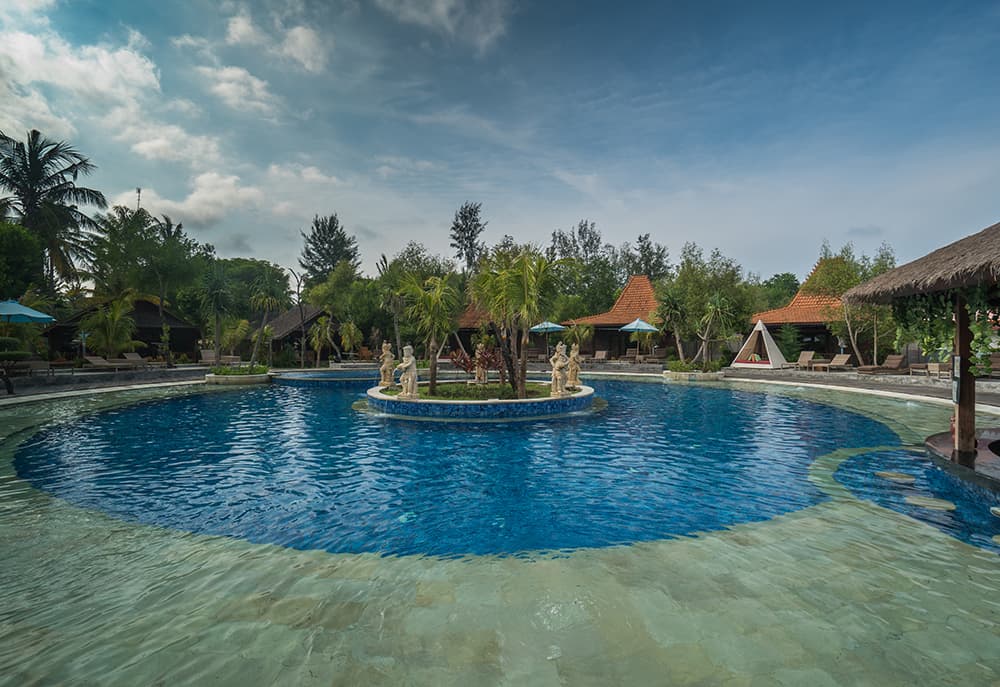
A deck beside an Australian pool is a wet edge. Drainage, grip under a wet foot, and what chlorine or salt does to timber, fasteners and finishes — before the coping photograph.
Tropical decks in Queensland: ventilation, termites and the wet season
A deck in the Queensland tropics is a wet-season structure. Ventilation, termite management, species and the dry-season oiling window matter more than a southern maintenance calendar.