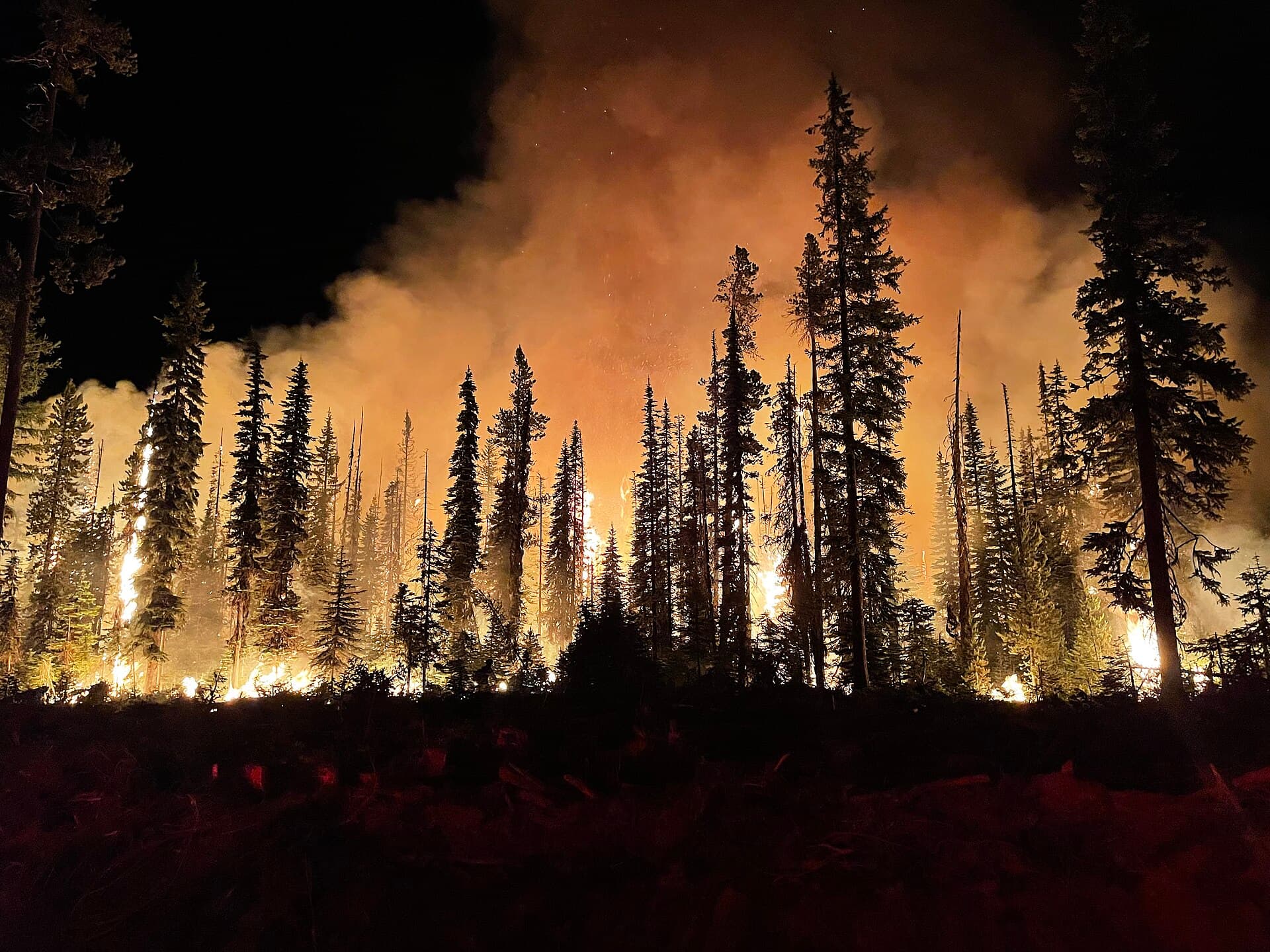
Lighting a deck so it works after dark
Night is when a deck earns its keep or becomes a hazard. Low-glare light, stairs you can still see, AS/NZS 3000 in general terms, and the honest difference between solar stakes and a hardwired circuit.
Australian outdoor journal
Custom Decking
The Australian journal of outdoor timber
Independent writing on timber, structure and the way Australian households use a deck.
What holds it up
Footings, joists, stairs, balustrades and the National Construction Code. The unglamorous work that decides whether a deck lasts.
Night is when a deck earns its keep or becomes a hazard. Low-glare light, stairs you can still see, AS/NZS 3000 in general terms, and the honest difference between solar stakes and a hardwired circuit.
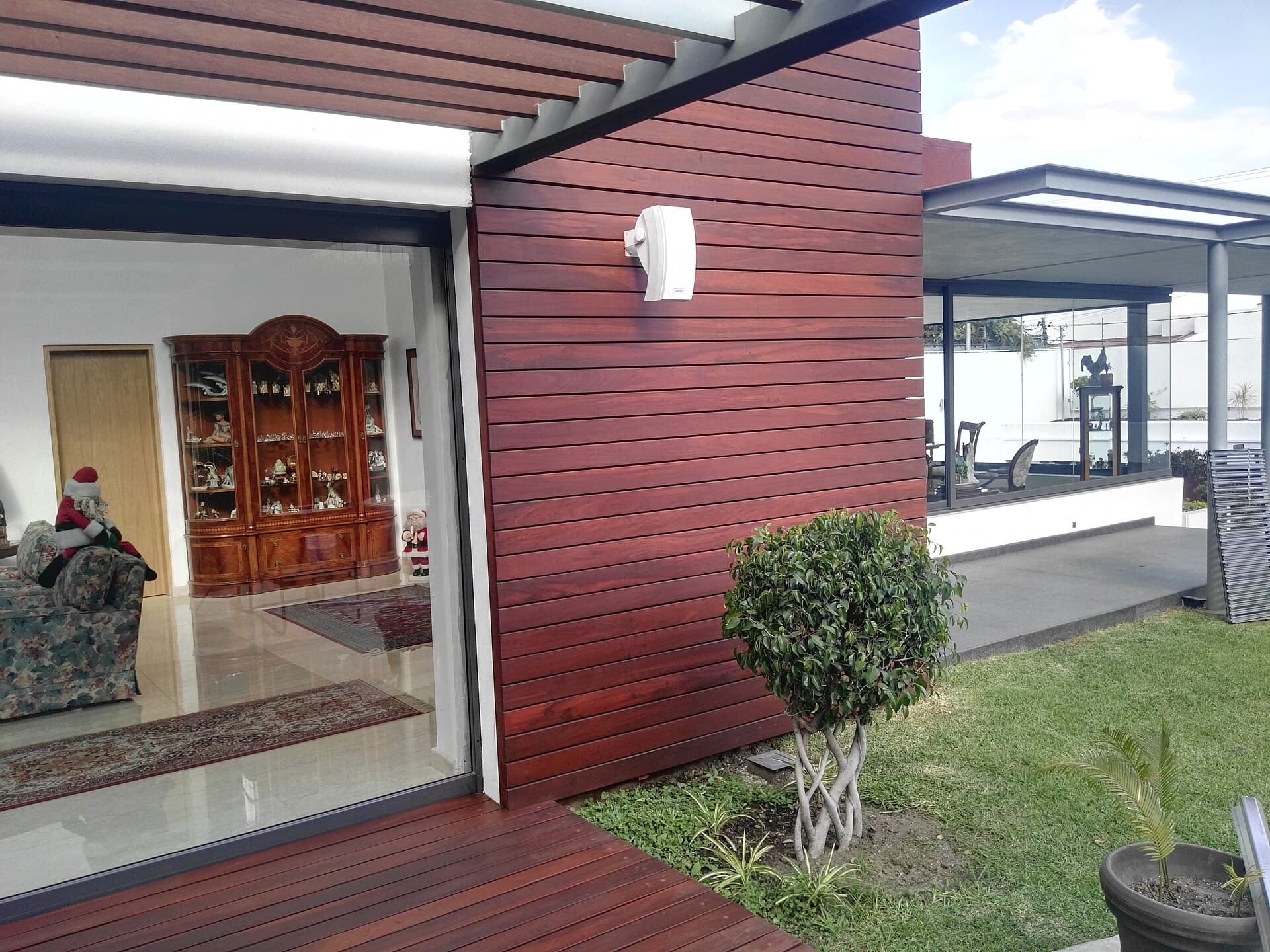
A deck over a room is a roof. Falls, membranes, outlets, thresholds and the wearing surface that must not destroy the work underneath — AS 4654, the NCC, and the Australian climate that will test all three.
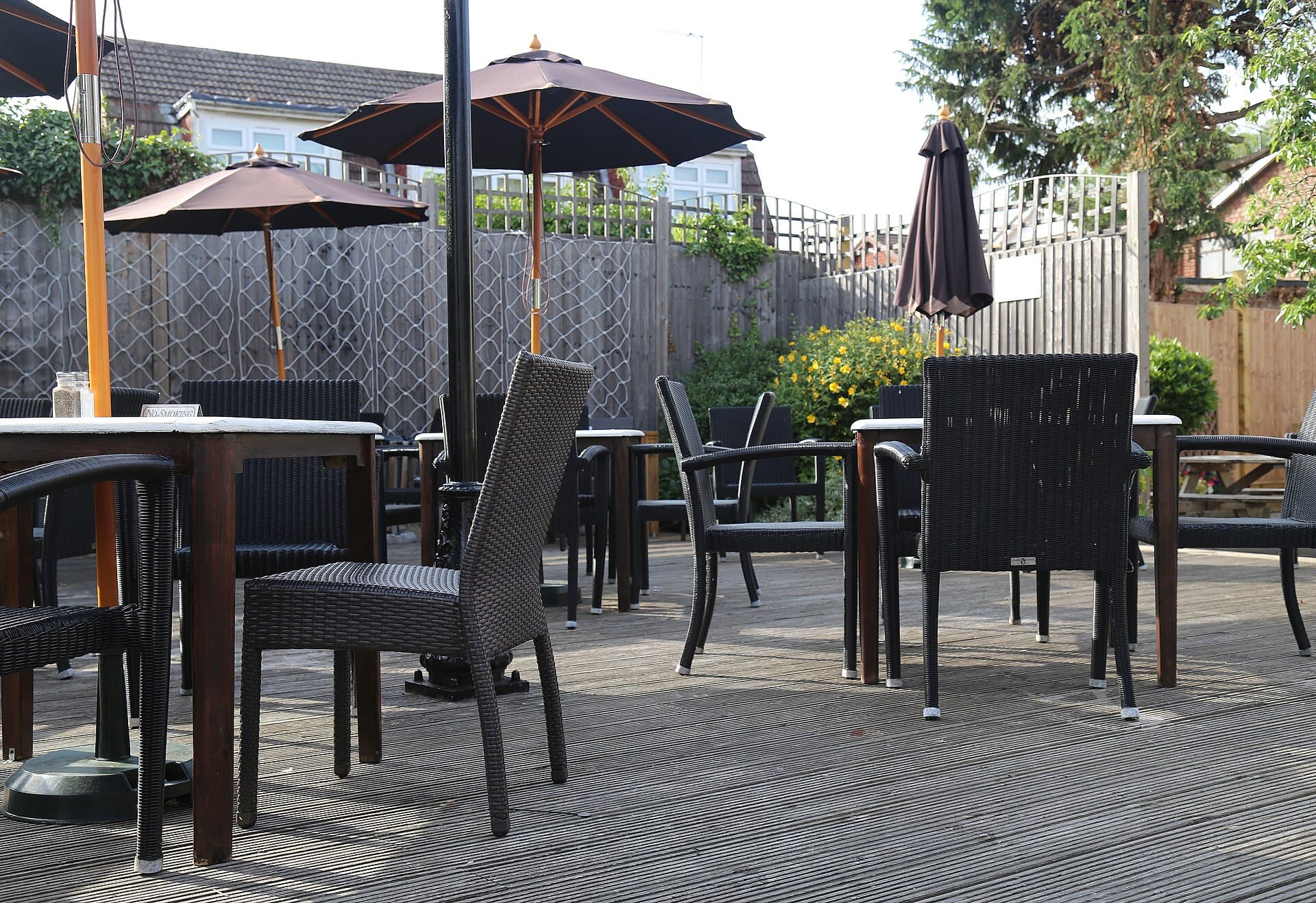
When a deck needs a barrier, what height and openings the NCC requires, how glass and wire actually get specified, and why a pool fence is a different standard from a balustrade.
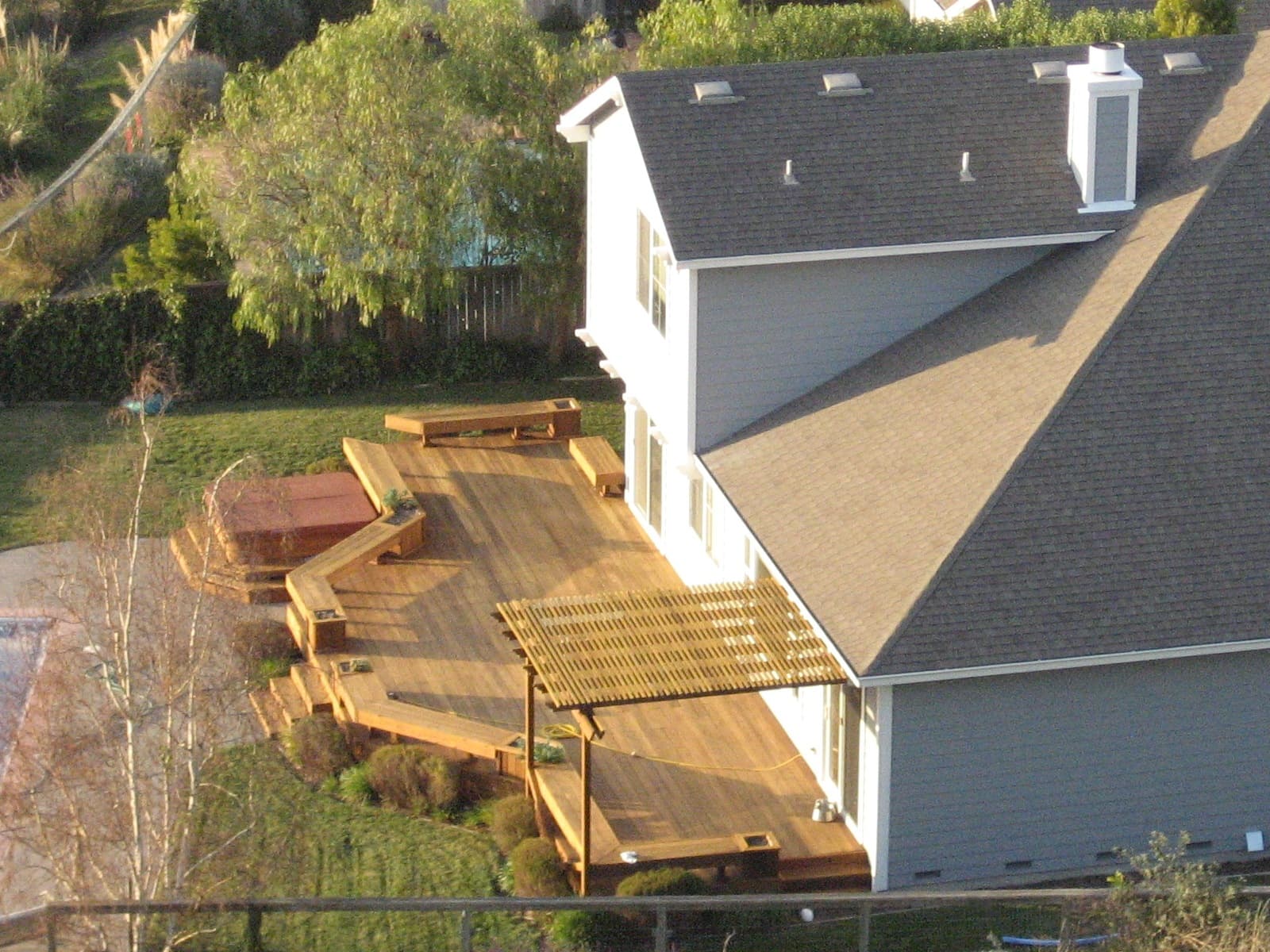
Stairs are where decks injure people. NCC geometry, consistent risers, landings at doors, handrails, slip, lighting and the difference between a garden step and a required stair — written for Australian platforms.
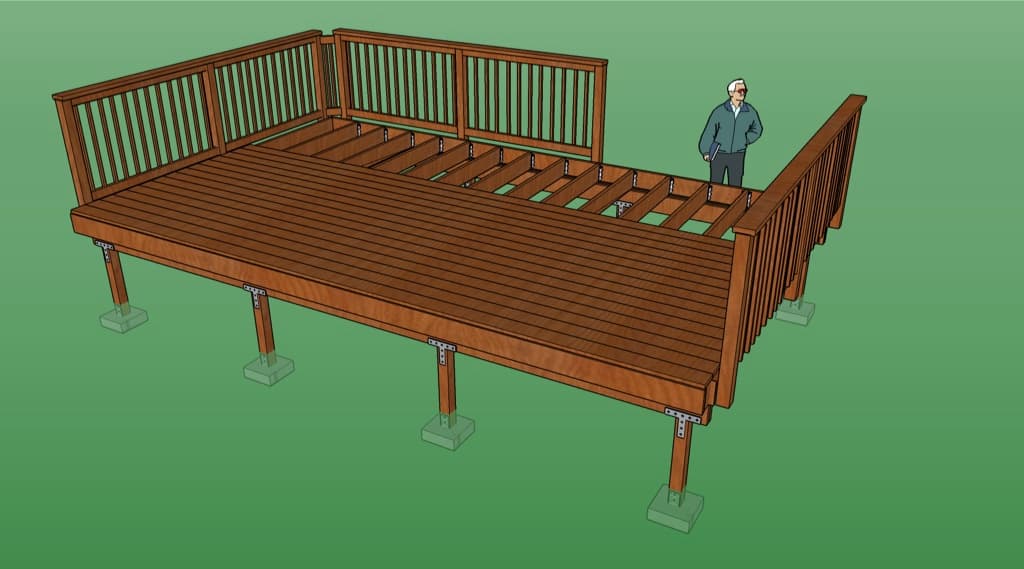
AS 1684 is the document that sizes a timber deck frame. How bearers and joists share the load, what stress grades mean, why 450 millimetre centres exist, and when a span table is no longer enough.
The holes in the ground decide whether a deck lasts. Soil class, pad and pier footings, hardwood stumps, treated posts, steel, hold-down and the termite inspection zone — written for Australian sites, not a brochure.