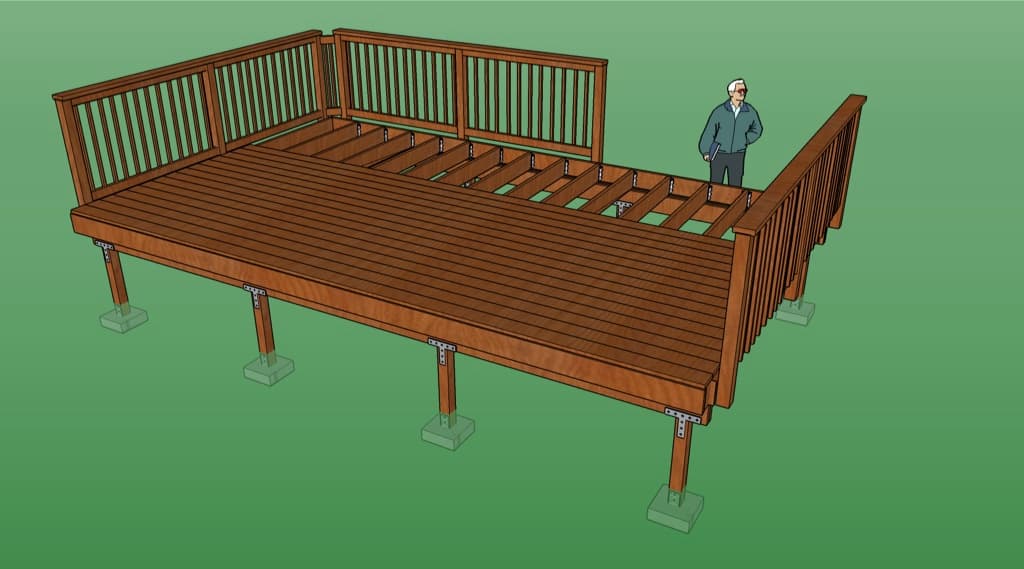
Choosing a deck builder: quotes, contracts and red flags
A deck quote is not a vibe. It is a licence, a scope, a deposit and a set of exclusions. How to compare builders under Australian consumer law without treating a handshake as a contract.
Australian outdoor journal
Custom Decking
The Australian journal of outdoor timber
Independent writing on timber, structure and the way Australian households use a deck.
Index
All of the essays, filed as we published them. Start with a hub if you are in the middle of a decision; start here if you want the whole shelf.
A deck quote is not a vibe. It is a licence, a scope, a deposit and a set of exclusions. How to compare builders under Australian consumer law without treating a handshake as a contract.
A deck is a bridge to the house if you detail it that way. How Australian termite management, inspection zones and timber choice actually meet a custom deck — without treating a species as a system.
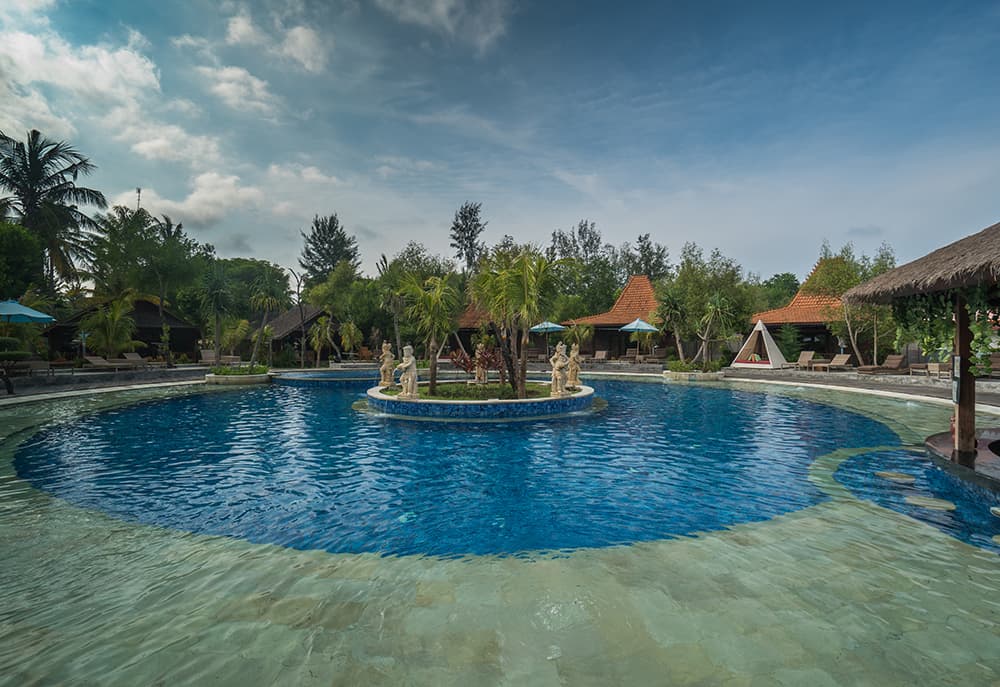
A deck beside an Australian pool is a wet edge. Drainage, grip under a wet foot, and what chlorine or salt does to timber, fasteners and finishes — before the coping photograph.
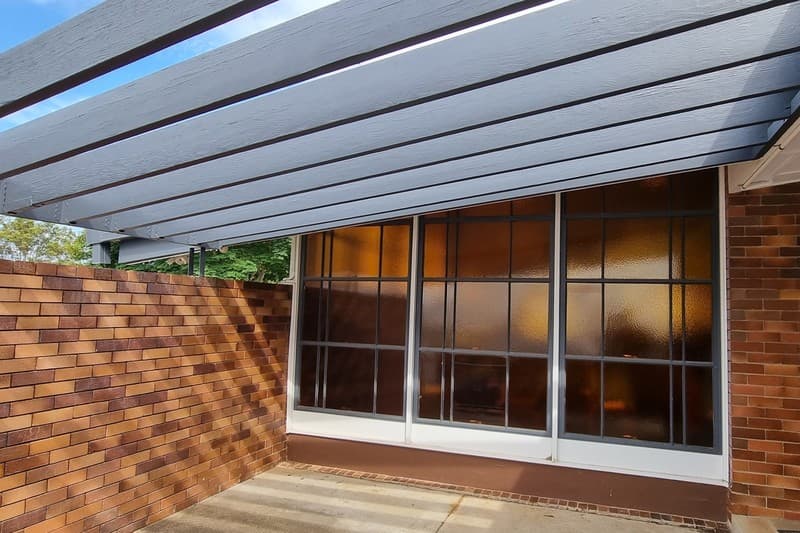
A Paddington, Fitzroy or West End court is not a suburban platform scaled down. It is a floor, a drain, a neighbour and a clothesline arguing in a few metres.
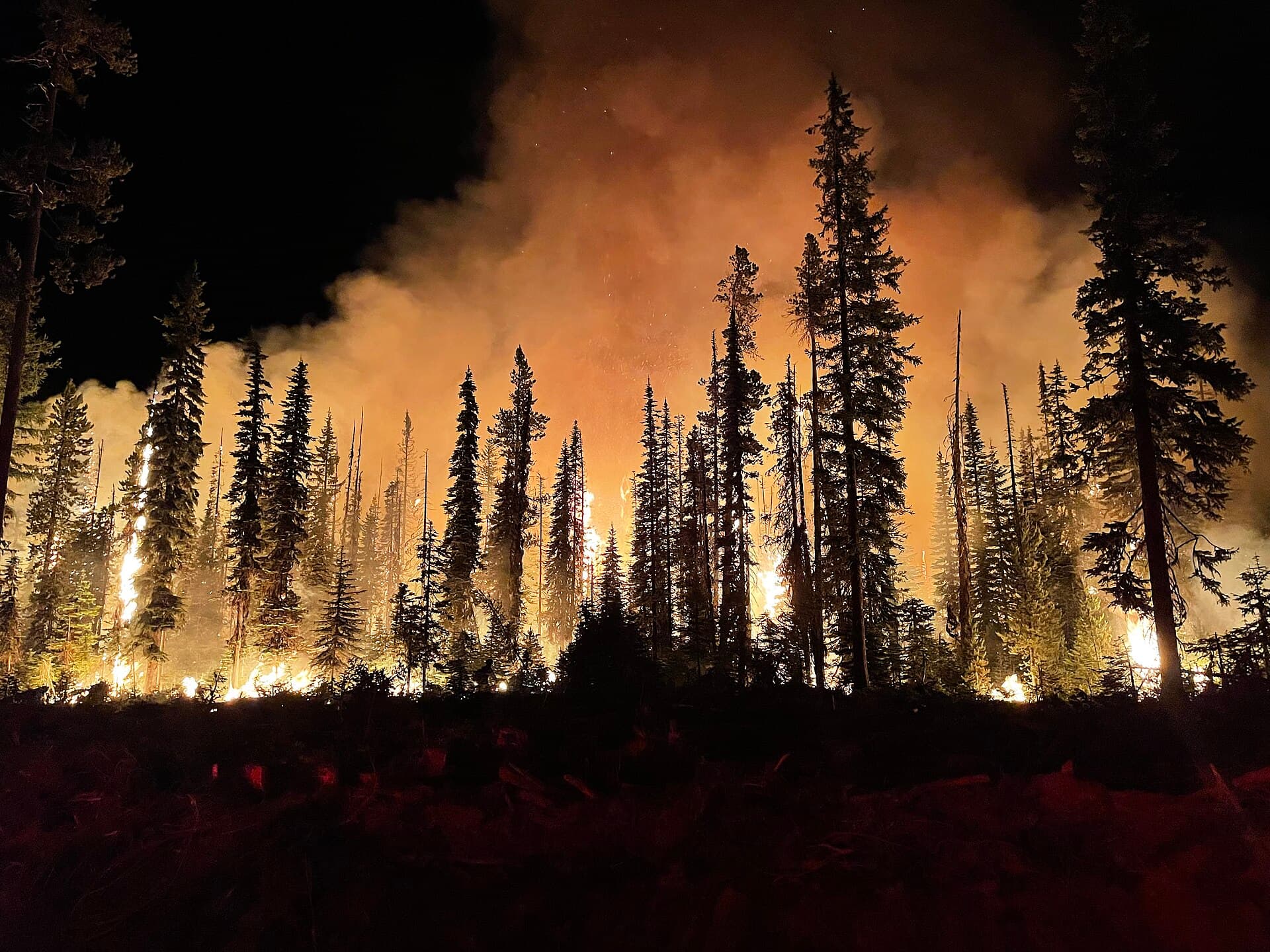
Night is when a deck earns its keep or becomes a hazard. Low-glare light, stairs you can still see, AS/NZS 3000 in general terms, and the honest difference between solar stakes and a hardwired circuit.
When a deck is exempt, when New South Wales uses CDC or a DA, when Victoria wants a building permit, how Queensland treats accepted development, and why heritage, flood and bushfire overlays change the path. Not legal advice.
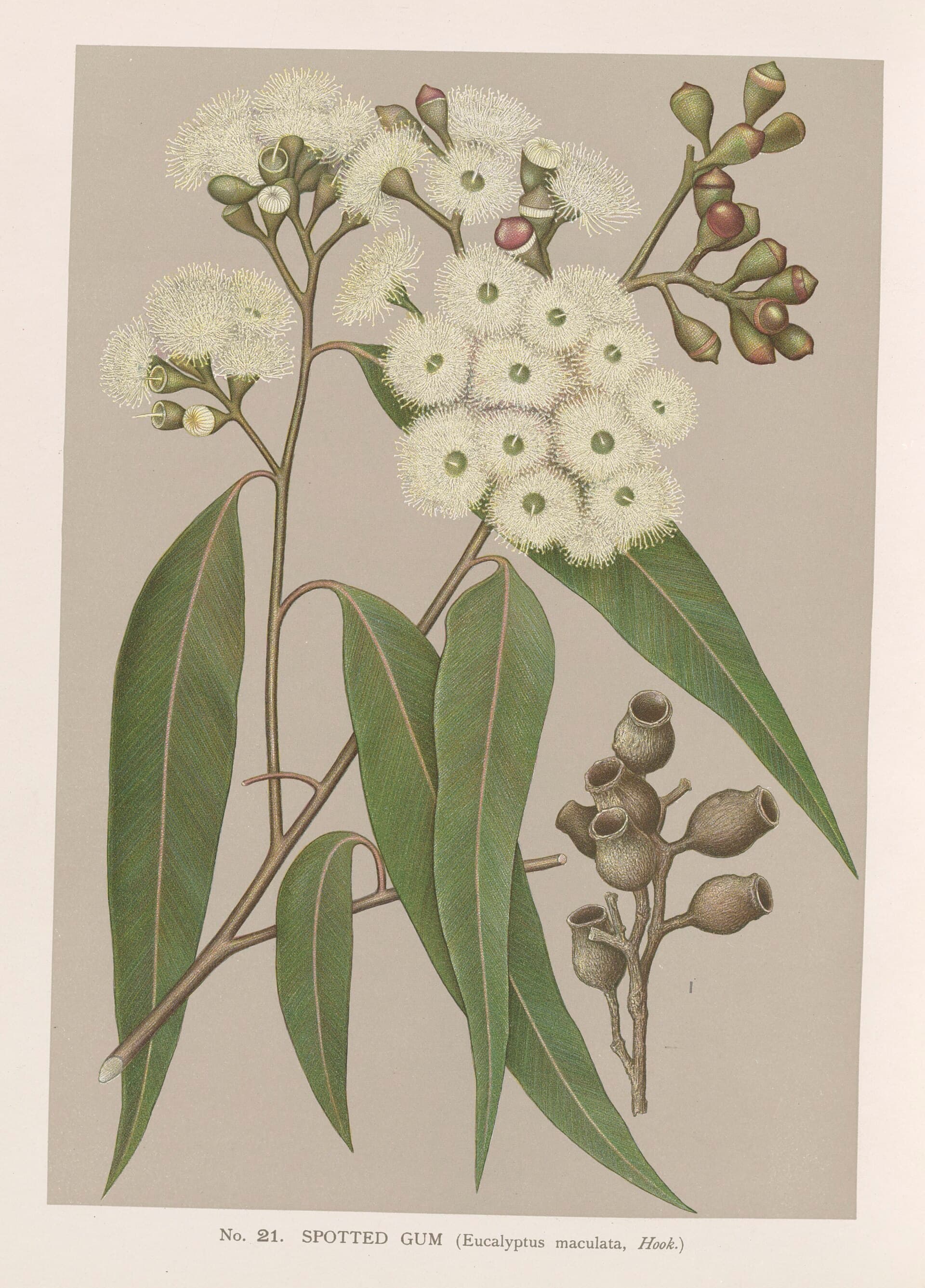
Merbau, keruing and the other imported boards can be honest. They can also be illegal, unstable in Australian sun, or a missed job for a local mill. How to tell the difference.
A deck in the Queensland tropics is a wet-season structure. Ventilation, termite management, species and the dry-season oiling window matter more than a southern maintenance calendar.
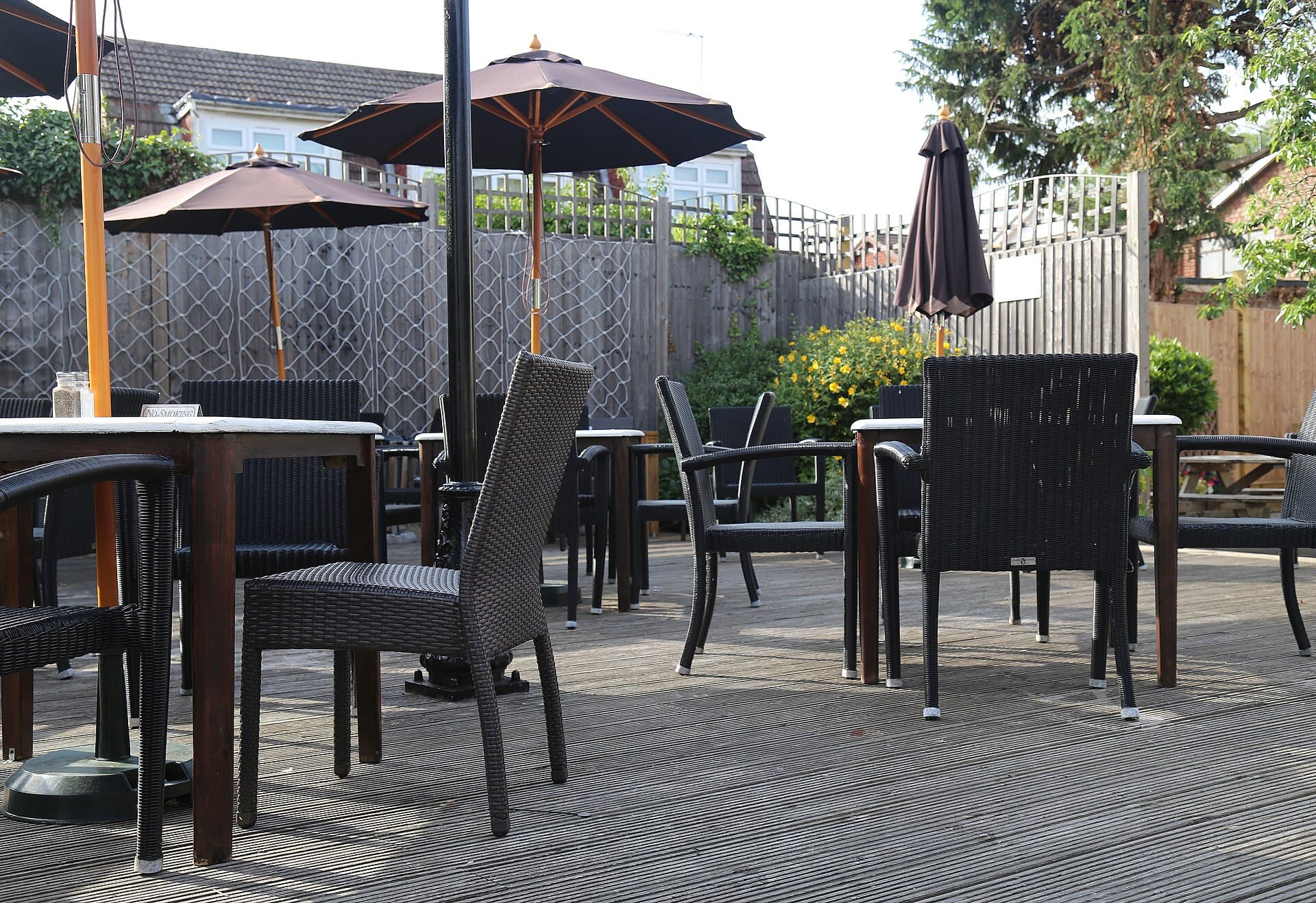
A deck that only works for people who can step a lip, climb a flight and see an unlit tread is a short-term room. Ramps, landings and honest thresholds are how a platform stays in use.
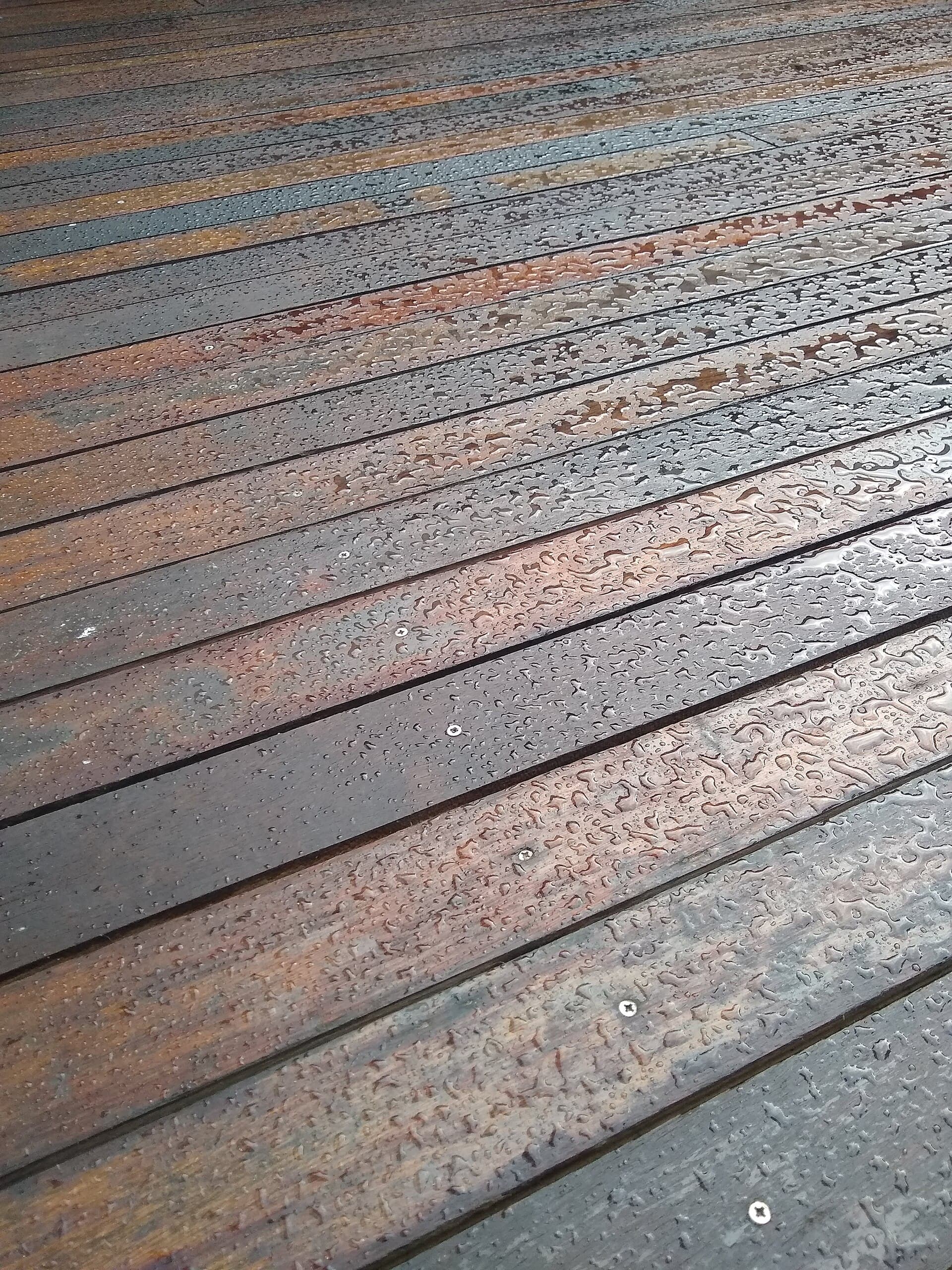
Strand-woven bamboo, aluminium boards, porcelain on pedestals and recycled plastic all turn up in Australian quotes. What they actually are, where they fail, and the warranty clauses that matter.
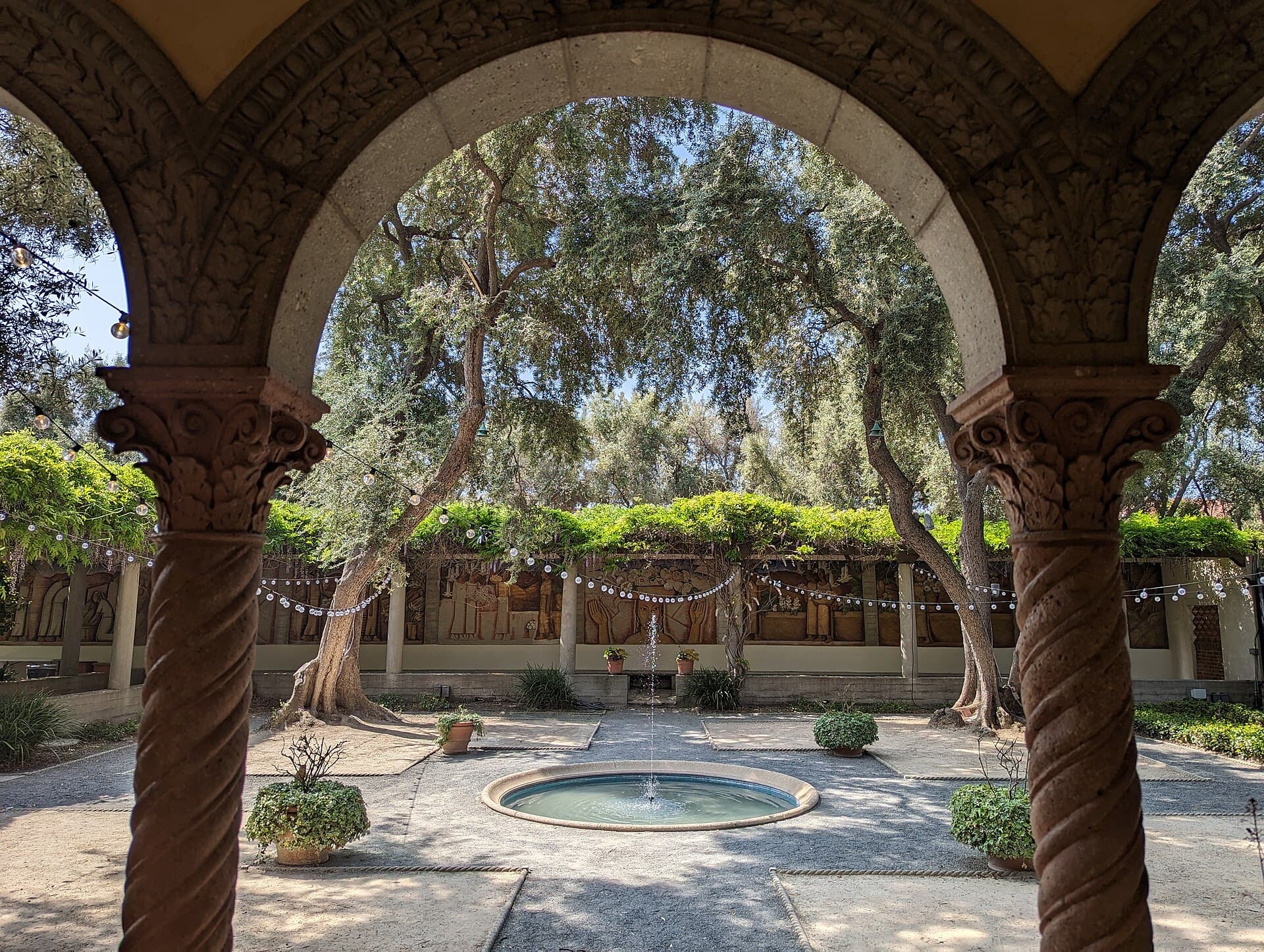
A raised deck invents new sightlines. Overlooking, screens, fence height, and the dividing fences acts in New South Wales, Victoria and Queensland — in general terms — plus the conversation you have before the first post.
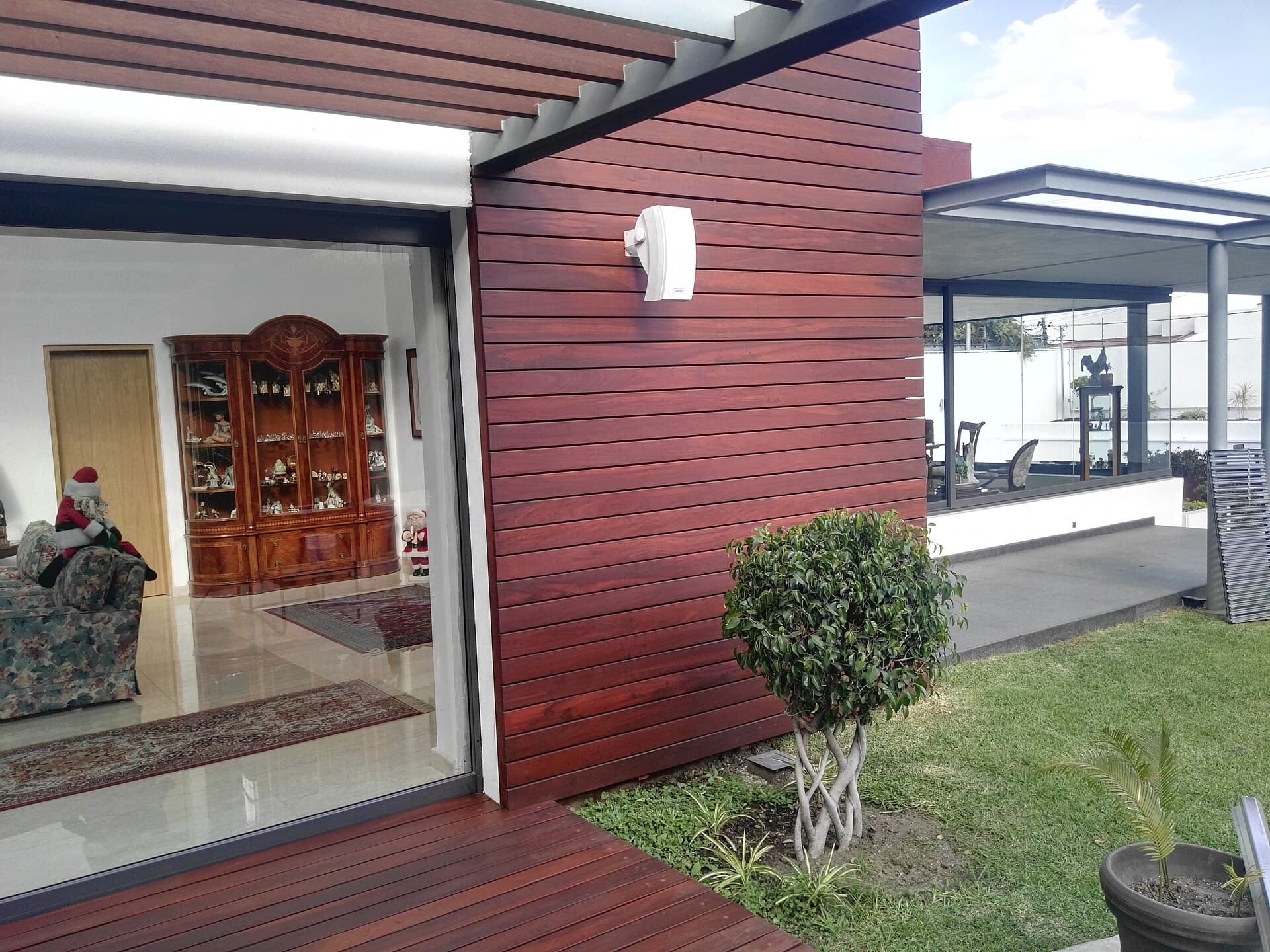
A deck over a room is a roof. Falls, membranes, outlets, thresholds and the wearing surface that must not destroy the work underneath — AS 4654, the NCC, and the Australian climate that will test all three.
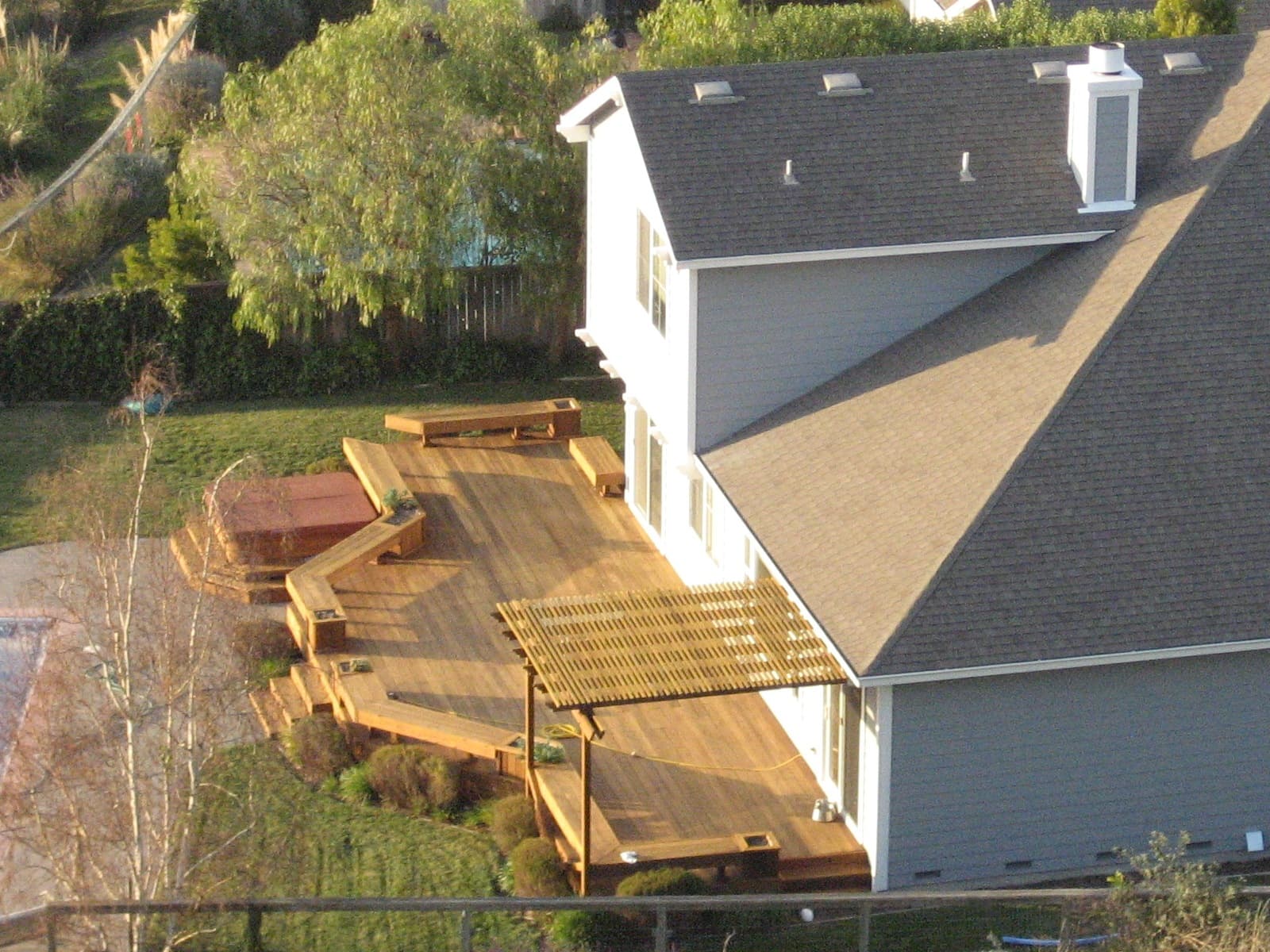
A slope is a plan, not a problem to bury. Cut and fill versus poles, split levels as outdoor rooms, retaining, stairs you can live on, and drainage that leaves the downhill neighbour dry.
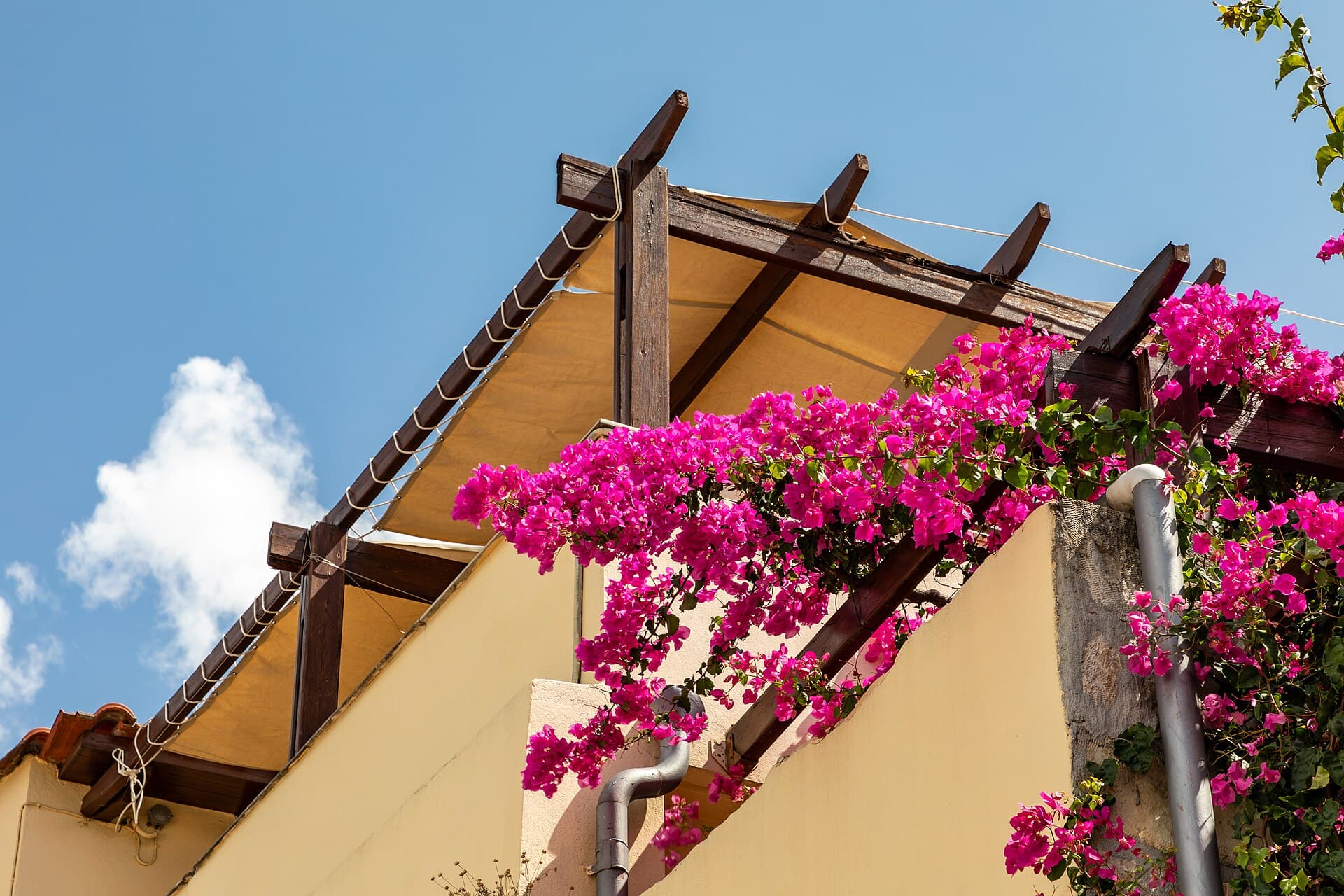
A southern deck that only works in January is half a room. Fire, radiant heat and a wind-break can keep timber in use through June — if the hearth, the neighbour and the overlay allow it.
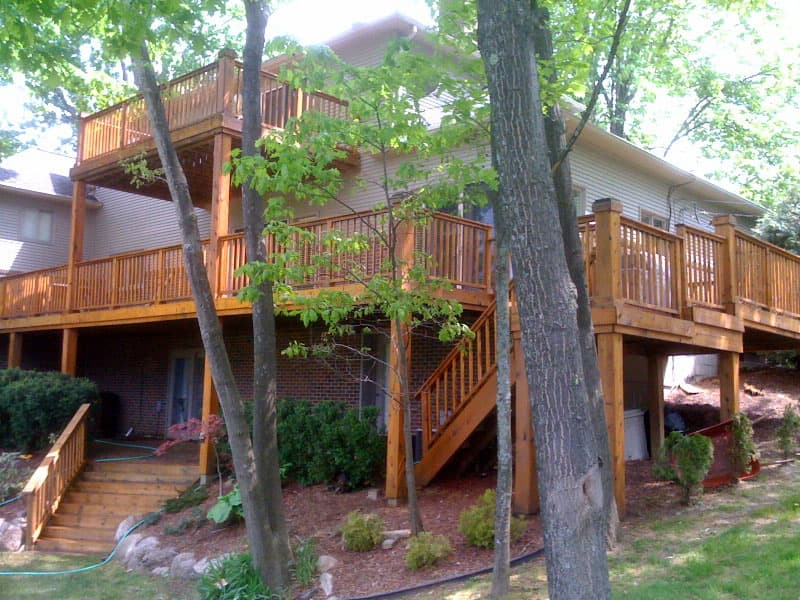
A tired Australian deck is three different jobs — a new stain, a new film, or new boards. How to tell which one you are actually in, and when the frame is the problem.
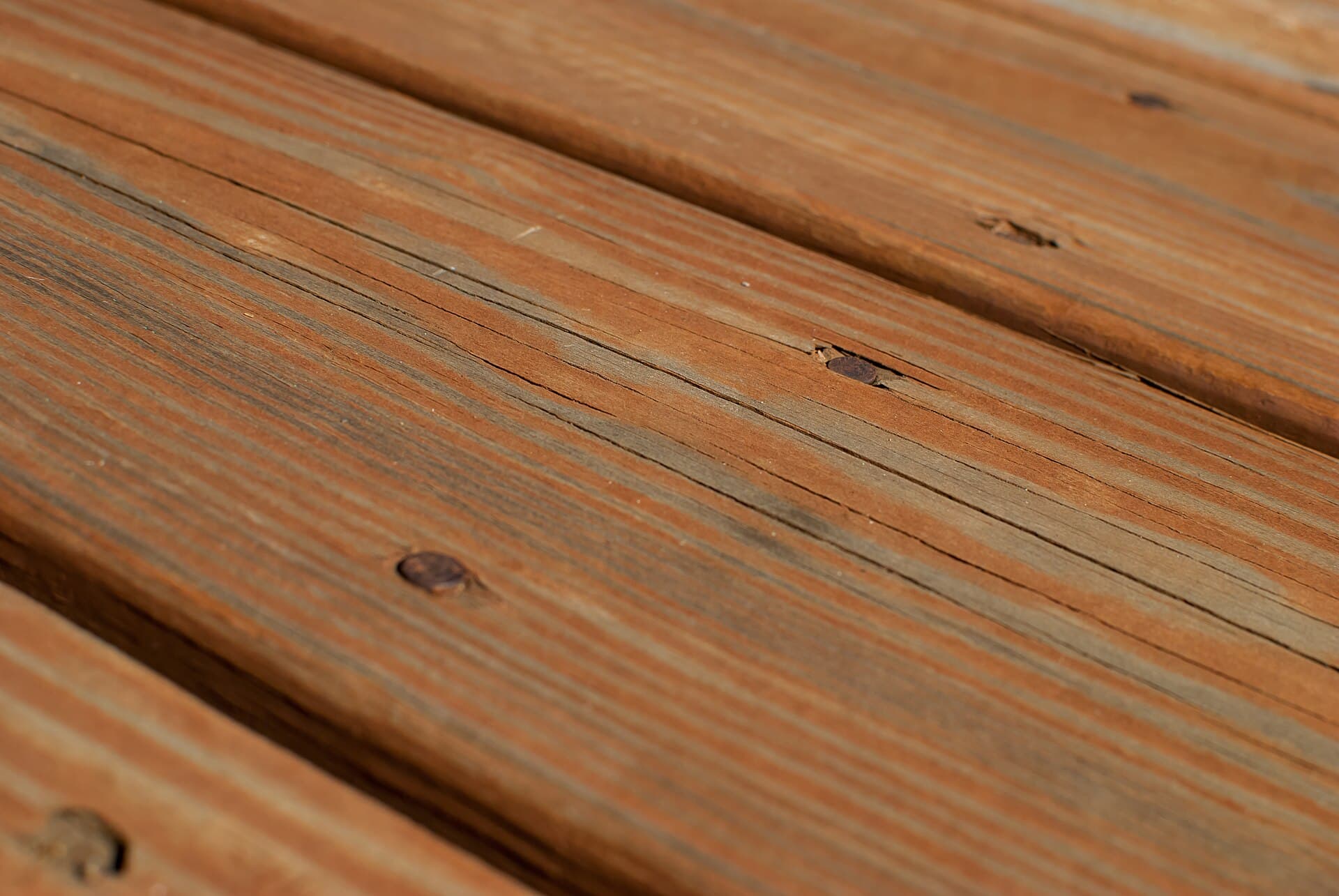
Width, profile, gap, screw alloy and clip system decide whether a deck stays flat. A practical Australian guide to 86 and 140 boards, reeded faces, stainless against coated screws, and end-sealing.
When a deck needs a barrier, what height and openings the NCC requires, how glass and wire actually get specified, and why a pool fence is a different standard from a balustrade.
A BAL is not a mood and a timber sample is not a system. AS 3959 from BAL-LOW to Flame Zone, ember traps, combustible decking, stairs, and when the lot needs an assessor.
Treated pine is the default Australian deck frame and a questionable wearing surface. H3 against H4, the CCA story, copper azole, paint, expected life and the bushfire limits that end the argument.
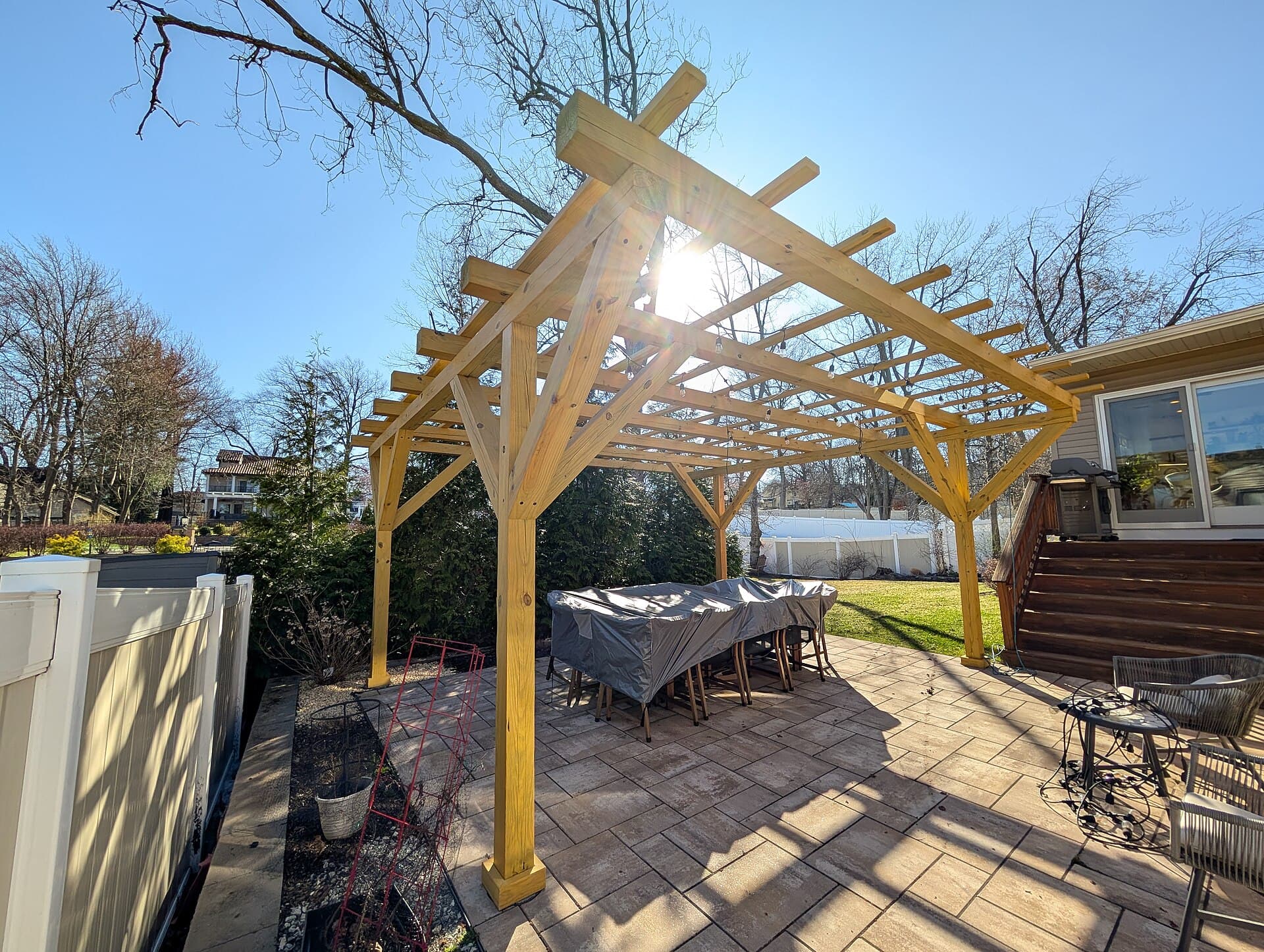
Shade is a materials decision as much as an architectural one. Australian sun, a western wall and a timber floor decide the roof before the battens are a style.
Stairs are where decks injure people. NCC geometry, consistent risers, landings at doors, handrails, slip, lighting and the difference between a garden step and a required stair — written for Australian platforms.
Green and black films on an Australian deck are a slip problem before they are a stain. Why shade, irrigation and the wet season grow them, and how to clean without wrecking the boards.
Salt does not care what the brochure promised. Stainless grades, wind classification, merbau versus spotted gum at the beach, glass that etches, and a wash-down interval you will actually keep.
AS 1684 is the document that sizes a timber deck frame. How bearers and joists share the load, what stress grades mean, why 450 millimetre centres exist, and when a span table is no longer enough.
Composite boards promise less oiling. In Australian sun, salt and wet seasons they still heat, fade, grow mould and expand. A clear-eyed comparison over a fifteen-year life, not a brochure weekend.
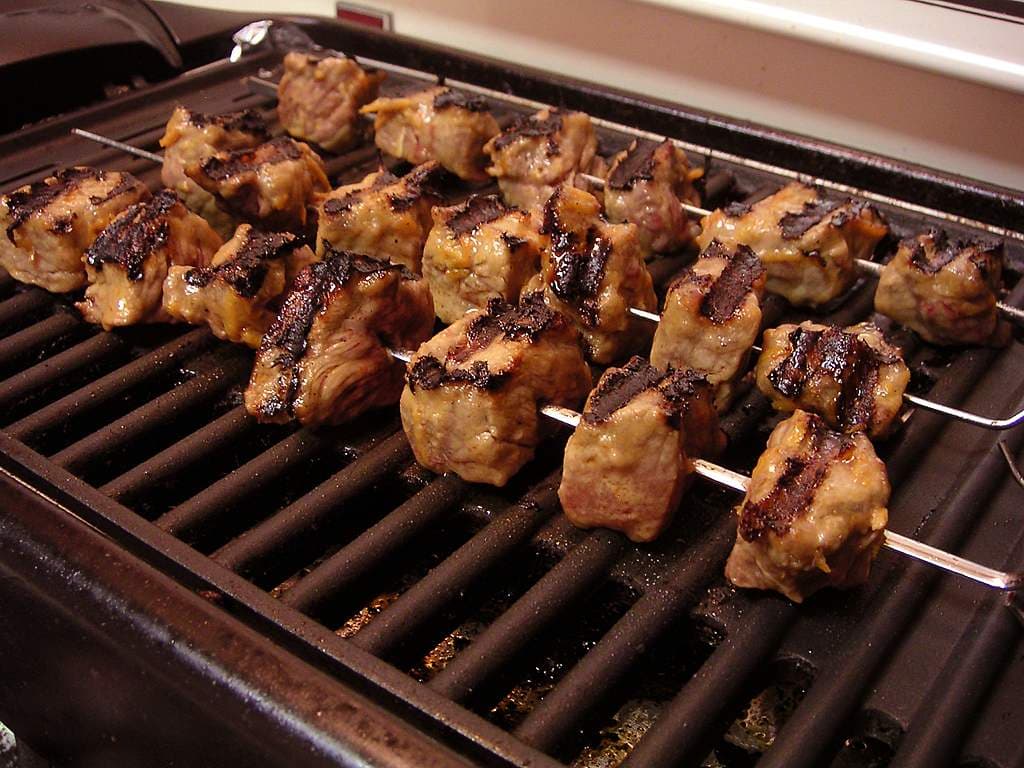
A built-in barbecue is not furniture. It is weight, gas, grease, heat and a council conversation sitting on joists that were often drawn for a table and four chairs.
Penetrating oil keeps an Australian timber deck honest. How to clean, coat and time the work across sun, salt and the wet season — and when oiling is no longer the job.
The holes in the ground decide whether a deck lasts. Soil class, pad and pier footings, hardwood stumps, treated posts, steel, hold-down and the termite inspection zone — written for Australian sites, not a brochure.
Melbourne decks fail on aspect, shade and a wet winter more often than on timber. North light, deciduous trees, frost, brick-veneer floor heights and the months you will actually sit outside.
A working guide to the hardwoods Australian decks are actually built from — durability class, movement, colour, supply and the finish each species will tolerate.